
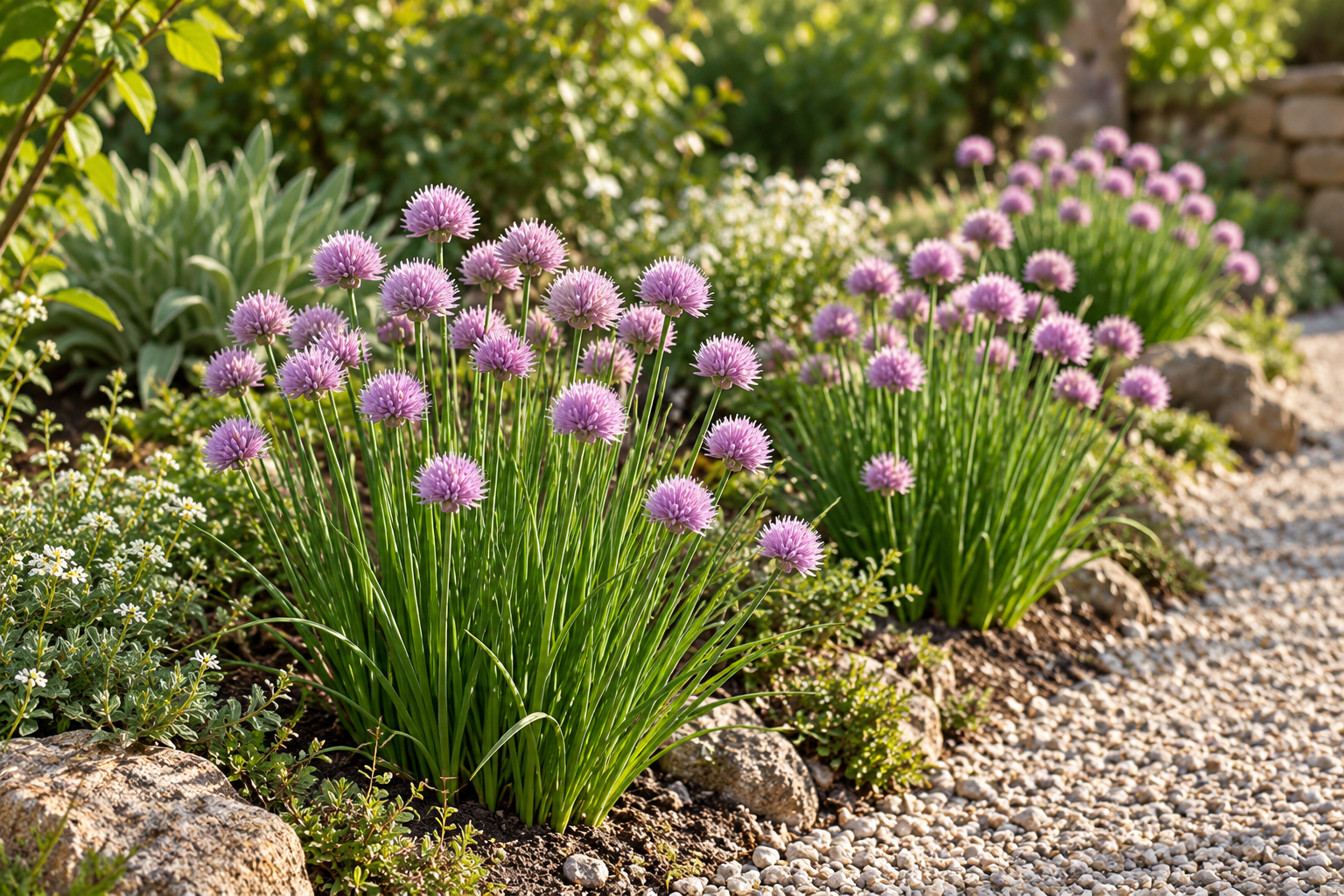
This plant at Exotenherz
Check the shop offer for current availability, price and what is included.
Product and delivery details are given in the individual offer.
Your care table
| Topic | What to do | Why it helps |
|---|---|---|
| Planting | In autumn in unfrozen, unwaterlogged soil. | Bulbs should be able to root before winter. |
| Depth | Follow actual bulb height, with the tip upwards. | An unstated bulb size is not invented. |
| Position | Sunny with free drainage. | Winter saturation is especially unfavourable. |
| Spacing | About 10 cm as a guide; account for actual bulb size. | Small groups need room to develop. |
| Water | Supply according to need during shoots in dry weather. | Dormant bulbs differ from leafy plants. |
| Foliage | Leave until natural yellowing. | It supports the next season. |
| Flower stems | Remove after flowering if desired. | Green foliage is preserved in the process. |
| Pets | Protect against nibbling. | The species is classified as toxic to pets. |
Check the compost and pot weight. The care table explains how far the compost may dry.
Water only when needed. The water should reach the root ball without spilling over the rim.
Remove surplus water from the saucer or cachepot. Then return the plant to a suitable position.
Small globes give the border a rhythm
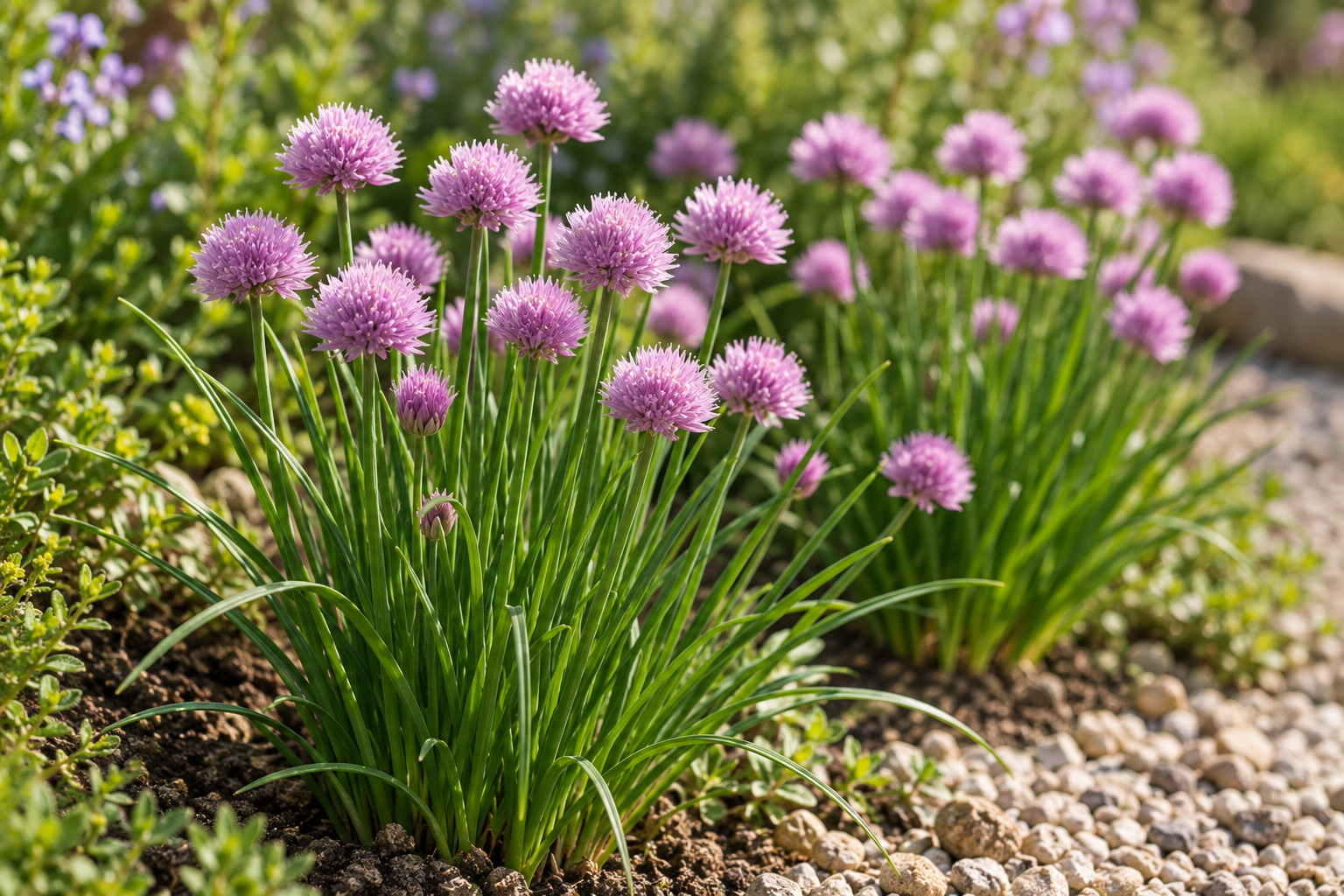
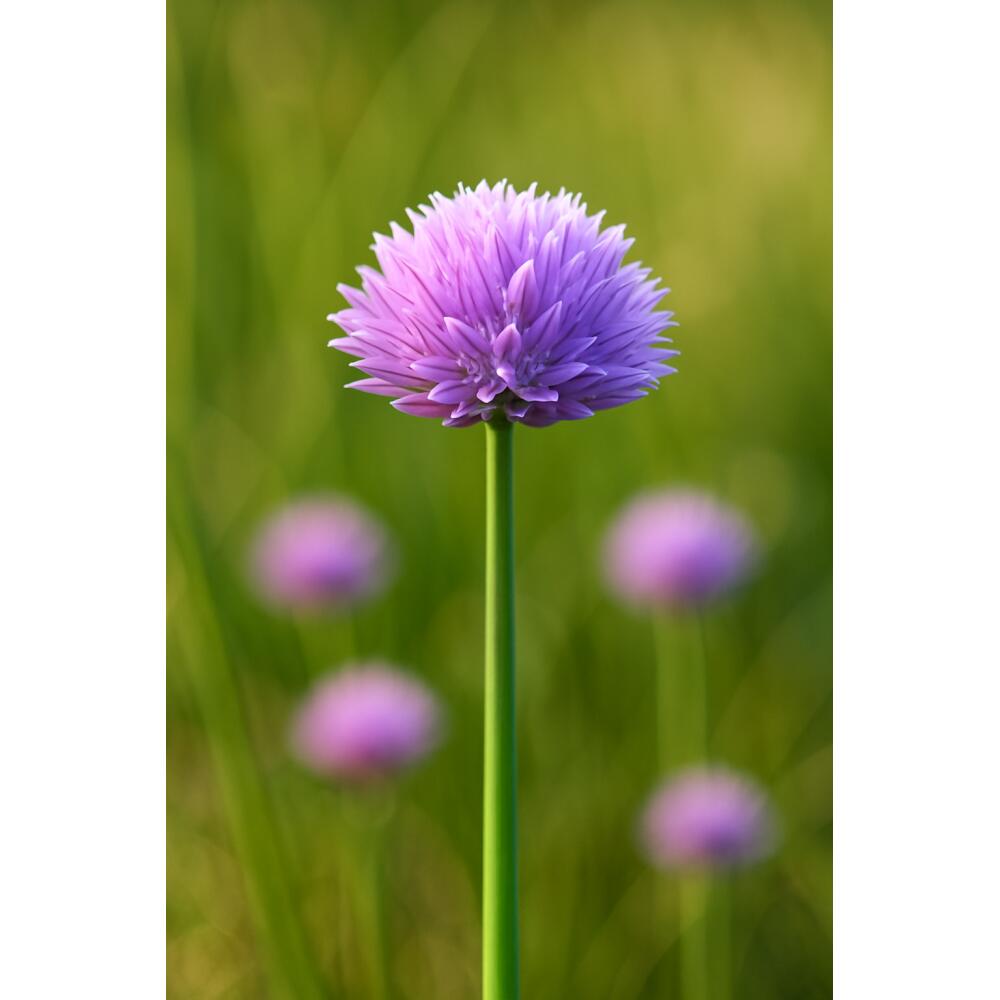
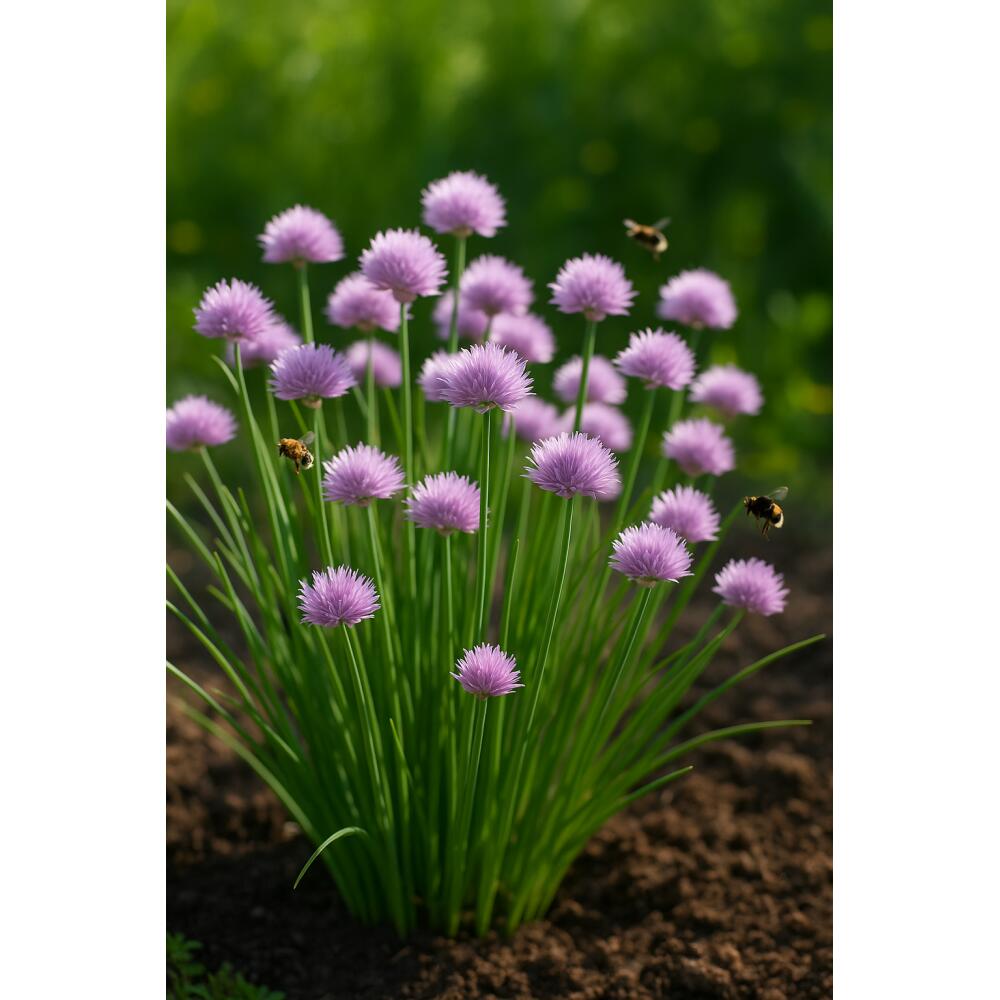
Allium carolinianum carries pink to pink-purple flower heads on straight stems. Many small flowers together form a dense globe. Narrow strap-shaped green foliage sits below, accompanying the low ornamental-onion border. With its flower stems the species reaches roughly forty centimetres, staying well below large tall solitary ornamental-onion types. The specialist description also lists other shades; the exact shop image shows pink to pink-purple. This distinction helps border planning without promising a particular flower quantity or exact height for every bulb.
Fifteen bulbs are not yet a finished flowering edge
The offer comprises fifteen bulbs, not already flowering potted plants. Exact bulb size is not stated and is not added. At unpacking we check firmness and obvious damage. Until planting they lie dry and airy. The later garden scene shows possible development, not delivery condition. About ten centimetres spacing can serve as a starting point for small groups; actual bulb size and desired effect are considered too. A border plan helps locate positions again after foliage dies back.
Autumn planting in a permeable position
A sunny place with fertile, well-drained soil suits the species. Plant in autumn while ground remains unfrozen and unwaterlogged. Depth follows actual bulb height: soil covering roughly twice the height is a general bulb guide, not an invented centimetre measurement for this pack. The tip points upwards. In heavy winter-wet soil, a sufficiently large pot with free drainage is often easier to plan. A handful of gravel underneath does not automatically make surrounding impermeable ground suitable.
Supply during growth and distinguish after dieback
During shoots and flowering the plant needs useful soil moisture. In prolonged dryness check the root area and water specifically. Excess must drain. A summer border after dieback is not watered daily like a fully leafy pot group just because an invisible bulb remains there. In containers, rain, drainage and internal moisture remain part of checking. After a rainy period do not automatically add water again. Border markers help identify the resting site and avoid damaging bulbs during later planting work.
Leaves keep working after flowering
Flowering usually falls in late spring and early summer. Spent stems can be removed or initially left for structure. Green foliage remains until it yellows and dies back naturally. It helps build the bulb for the following season. Supply as needed during active growth according to soil reserves and the fertiliser label. Not every smaller flower automatically indicates nutrient deficiency. Also observe shading, winter wetness and development of individual bulbs.
A perennial place with good winter drainage
The species is a perennial bulbous plant. Good drainage remains crucial in winter; a wet potted root ball responds differently from a well-drained border. The specialist profile classes the species as hardy, but this does not become a guarantee for every waterlogged container. As an ornamental onion it is not declared a kitchen onion. The plant is toxic to pets and protected against nibbling. A border plan and later flowering photograph fit together in the plant book. Note spacing, first flowering and neighbours so the small group retains its position in following years.
One plant, several views
Good to know
Do I receive 15 flowering plants?
No. A pack of fifteen bulbs is offered.
How tall do flower stems grow?
The species description states up to about 40 cm; position and development influence the result.
When is it planted?
In autumn in unfrozen, unwaterlogged soil.
May green foliage be removed after flowering?
It remains until natural yellowing.
Is this ornamental onion a kitchen onion?
An ornamental plant is described here, not food use. It is toxic to pets.
Sources and editorial note
- Exotenherz: offer and original images (03/10/2026)
- RHS – Allium carolinianum, flowering, growth and soil (03/10/2026)
- RHS – planting and accompanying ornamental onions (03/10/2026)
Shop offer, article number, GTIN, availability and originals checked directly on 02/10/2026; specialist acceptance on 03/10/2026. Specialist sources read directly. Exact SKU, dimensions, originals and orderability checked directly in the shop on 03/10/2026. Specialist sources read fully; shop name and botanical synonyms remain distinguishable. Currently not orderable: knowledge portrait without purchase link, social drafts without send approval. No Wawi, server or tool changes. Currently not orderable: knowledge portrait without purchase link; social drafts not approved for sending.