
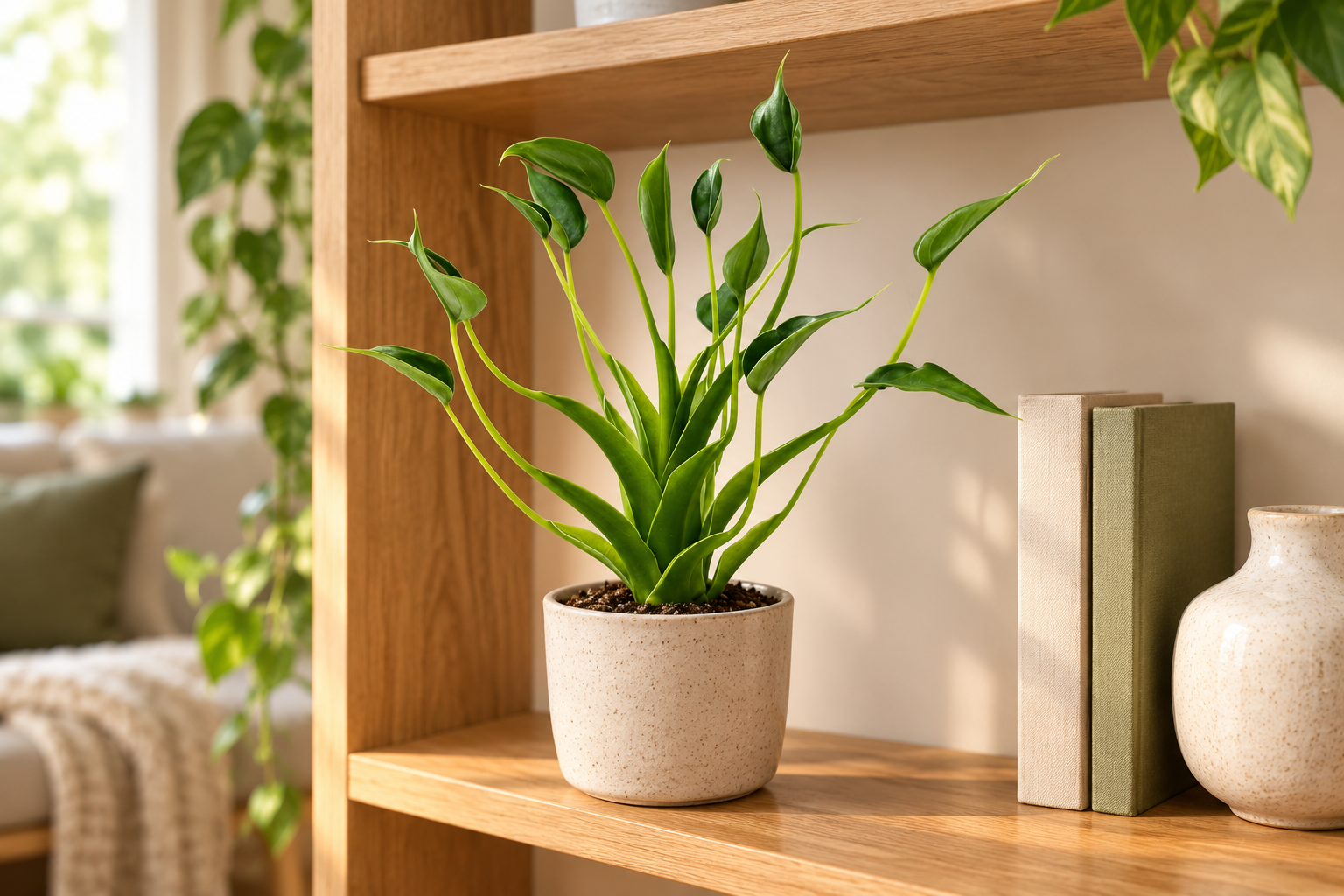
This plant at Exotenherz
Check the shop offer for current availability, price and what is included.
Product details, availability and delivery information are provided in the shop offer.
Your care table
| Topic | What to do | Why it helps |
|---|---|---|
| Light | Keep bright with indirect light; protect against intense midday sun. | Small leaves use light well but can be damaged in strong direct sun. |
| Temperature | During growth keep warm without cold draughts. | Alocasias come from warm regions; cold stress slows growth and burdens leaves. |
| Water | In the growing season water when the upper growing-medium layer has dried somewhat; let excess drain. | It likes a slightly moist root area but no persistent wetness. |
| Humidity | Avoid dry heated air; improve humidity if needed through suitable position or humidifier. | Balanced room conditions help delicate leaves without roots being constantly wet. |
| Growing medium | Use loose humus-rich freely draining houseplant medium with a drainage hole. | Roots need moisture and air; compacted soil retains water too long. |
| Feeding | Feed sparingly following the label during visible growth; pause during rest. | New leaves need nutrients, a resting plant not the same amount. |
| Winter | Keep bright, water less and protect from cold draughts. | Less light slows growth and root-ball drying. |
| Inspection | Regularly inspect leaf undersides and stalks for spider mites and other pests. | Early damage to small leaves is easily missed, particularly in dry room air. |
Check the compost and pot weight. The care table explains how far the compost may dry.
Water only when needed. The water should reach the root ball without spilling over the rim.
Remove surplus water from the saucer or cachepot. Then return the plant to a suitable position.
An alocasia that breaks the rule
Alocasia often makes me think of large heavy leaves. Tiny Dancer shows the opposite: long thin stalks grow from a compact centre, carrying small slightly arrow-shaped green leaves. They do not stand rigidly upright but make loose curves in different directions. The original shop image shows a young plant in a 12 cm pot at around 30 to 35 cm total height. Its flexibility is special; we need not force it into the shape of a large elephant ear. An open bright shelf gives stalks room without pressing them against a wall.
Let it settle, then find the position
After shipping the little alocasia can settle quietly. I keep it bright, not in blazing midday sun. Behind glass direct sun can hit small leaves faster than you notice while passing. Bright filtered light helps develop new stalks. It dislikes cold draughts at doors and windows. Deep in the room growth and evaporation weaken, so even a small pot remains moist longer. The question is not only whether the spot looks attractive but whether light, warmth and small root ball work together.
Moist enough, never in water
Tiny Dancer lacks an agave’s drought-tolerant leaves. During visible growth let the upper soil layer dry slightly, then water to moisten the root ball. Drained water must not remain in the decorative pot. The pot decides the next time, not a calendar: warmth and new foliage can make it lighter faster than a cooler week. Yellow leaves alone do not reveal lack or excess of water. First inspect soil, weight and drainage before changing watering. A dense constantly wet root ball can damage roots.
Humidity and leaf inspection belong together
Small leaves hang from delicate stalks. In very dry heated air, choosing a more protected place or humidifier is worthwhile. A bowl with damp gravel may balance surroundings a little if the pot base is not in water. Constant misting does not replace good air or healthy roots. I look at leaf undersides while caring: fine light speckles, webs or sticky areas are easier to spot early. Spider mites particularly like dry conditions. Looking in time avoids waiting until many small leaves are affected.
Repot with respect for the small root ball
A healthy nursery pot may initially stay. If roots become cramped or drainage is poor, I choose a slightly larger pot with a hole. Growing medium should be humus-rich, loose and freely draining. Loosen roots gently and do not bury the base in fresh soil. Measured feeding can accompany new leaves during bright growth; omit in winter or growth pauses. Stalks need no shaping trim. A completely yellow leaf can be removed at its base once its work is finished. Leave green leaves: they supply the young plant.
When it slows in winter
With shorter days Tiny Dancer may produce fewer leaves and lose individual old ones. This is no reason to drive it with more water or fertiliser. Keep as bright as possible, avoid cold draughts and check the root ball anew each time. With less evaporation it needs less water but must not be blindly forgotten for weeks. Only once light and growth return in spring do we increase care and nutrients. I wear gloves when handling it and keep it beyond children and pets: alocasias are not for consumption and sap can irritate. This keeps enjoyment of small leaves straightforward in daily life.
One plant, several views
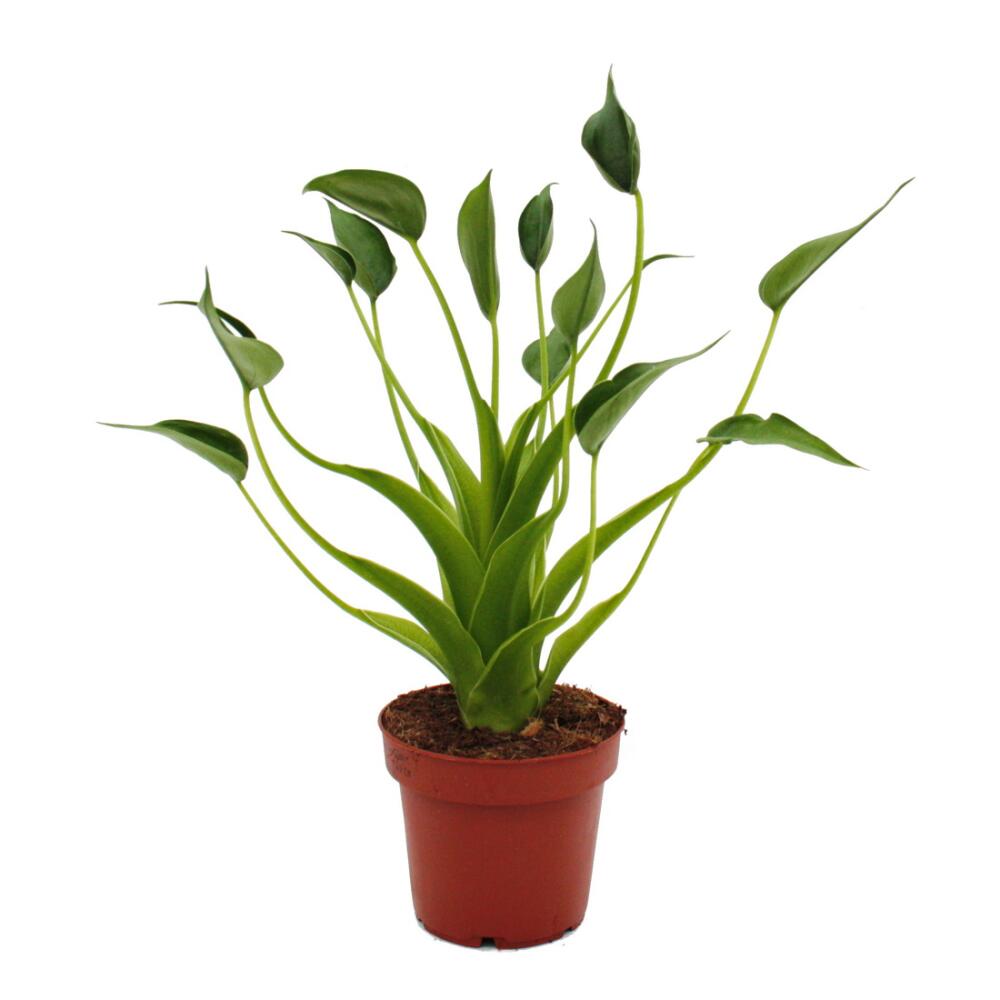
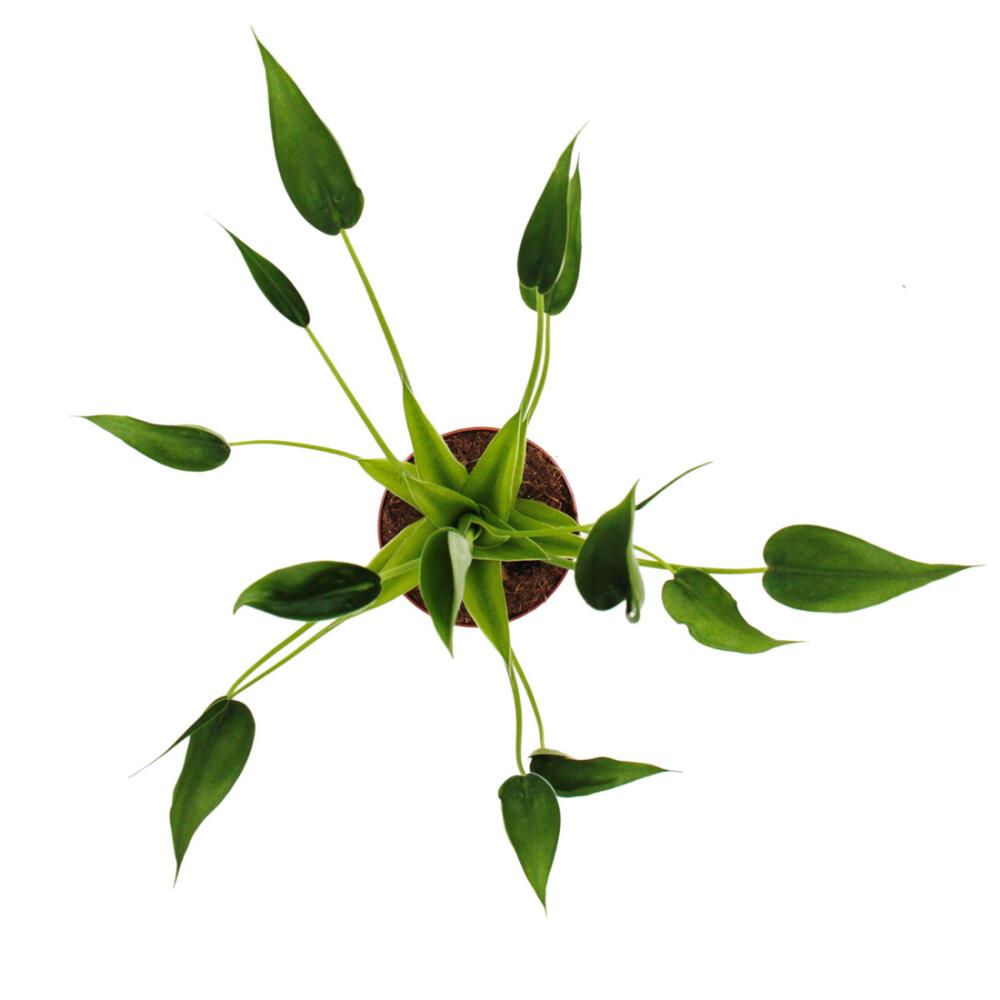
Good to know
Why does Tiny Dancer have such small leaves?
That is its characteristic growth: small green leaves on long curved stalks. It need not look like a large-leaved alocasia.
How often should I water it?
During growth check whether the upper layer has dried somewhat, then water and let excess drain. In winter reassess slower growth and root ball.
Can it stand in direct sun?
Bright indirect light is better. Strong direct sun behind glass can damage small leaves.
Is losing a leaf in winter a mistake?
Not necessarily. Alocasias may rest and lose foliage in low-light phases. Check root ball, temperature and pests too before changing care.
Is Tiny Dancer suitable for pets?
Alocasias should not be eaten. Keep out of children’s and pets’ reach and wear gloves when cutting or repotting.
Sources and editorial note
- Exotenherz: offer and original images (accessed 30 September 2026)
- RHS: growing alocasias, position, water and winter rest (accessed 30 September 2026)
- North Carolina State Extension: Alocasia, care and typical problems (accessed 30 September 2026)
Shop checked as immediately available on 30 September 2026; SKU 503830082024, GTIN 4019515923403, 12 cm pot, around 30–35 cm height. ‘Tiny Dancer’ is the confirmed shop variety name; no unproven species or parent assignment added. Form and two original views checked. RHS Alocasia guide and NC State Extension care applied to the small houseplant; fixed watering and humidity values avoided. RHS supports skin-irritation and consumption warnings for Alocasia generally.