

This plant at Exotenherz
Check the shop offer for current availability, price and what is included.
The linked shop is in German. Product details, availability and delivery information are provided in that shop.
Your care table
| Topic | What to do | Why it helps |
|---|---|---|
| Light | Bright indirect light to partial shade. | Hot sunlight can damage the broad leaves. |
| Water | Keep evenly slightly moist, never constantly wet. | Let only the surface dry a little and remove excess water. |
| Water quality | Use suitable water as low in salts as possible, at room temperature. | Sensitive tips can respond to unsuitable components in the water. |
| Compost | Humus-rich, airy mixture that holds moisture. | Roots need oxygen while remaining evenly supplied. |
| Climate | About 18–24 °C, higher humidity and gentle air exchange. | Avoid cold draughts and large temperature swings. |
| Feed | Feed sparingly during growth according to the instructions. | Consider salt build-up and any existing fertiliser. |
| Leaf care | Gently remove dust with a damp cloth, supporting the leaf from below. | Do not scrub the broad surfaces or their delicate edges. |
| Winter | Check moisture; less water is usually needed. | Lower consumption does not mean a completely dry rest. |
Check the compost and pot weight. The care table explains how far the compost may dry.
Water only when needed. The water should reach the root ball without spilling over the rim.
Remove surplus water from the saucer or cachepot. Then return the plant to a suitable position.
Rounded leaves with curved bands
Goeppertia orbifolia belongs to the Marantaceae family and comes from eastern Brazil. The familiar trade name Calathea orbifolia remains widespread. Almost round to broadly oval leaves are crossed by green and silvery-green bands. These follow the leaf structure and give the foliage a soft depth. The undersides are pale green to silvery, unlike many related prayer plants with purple backs. Indoors, the foliage is the main attraction; flowers rarely appear there.
Broad leaves need room to make an impression
The offered Orbifolia is in a 19 cm pot and reaches approximately 70–80 cm in overall height. Its broad leaves spread at different levels, creating a dense, lively crown. A position where they do not constantly brush against furniture protects their edges. A bright bathroom can provide a favourable climate, provided the plant is not exposed to splashes of cleaning products. The scene shows one possible position. Daylight and good growing conditions remain decisive, rather than the room’s name alone.
Warm light without harsh sun
Bright indirect light to partial shade suits its origins in tropical woodland habitats. Hot direct sunshine can damage broad leaves. Stable indoor temperatures of around 18–24 °C provide a useful guide; avoid cold draughts and major changes. Higher humidity supports attractive leaf edges. A hygrometer helps assess dry periods caused by heating. Constant misting does not produce lasting, even humidity. Air exchange remains important so that damp surfaces do not stay wet for long in a still corner.
Check water quality and root-ball moisture together
The compost should remain evenly slightly moist, but not wet. Let only the surface dry a little and check the pot regularly. Where possible, use suitable low-salt rainwater or appropriately treated water at a comfortable temperature. Unsuitable constituents and accumulated salts can affect the sensitive leaf tips. Water the compost preferably and remove any excess. Consumption often falls in winter; do not water to a rigid schedule even then. A rolled leaf calls first for a check of the root ball and room climate.
Treat roots and leaf surfaces gently
A loose, humus-rich mixture that holds moisture while allowing air to reach the roots is suitable. Repot carefully when the roots have clearly filled the pot. An excessively large new pot dries needlessly slowly. During growth, feed sparingly according to the fertiliser instructions. Carefully remove dust from the broad surfaces with a soft damp cloth, supporting the leaf from below. Vigorous clumps can be divided in spring; each division needs enough roots of its own, and division should not be added to an acute care crisis.
Read brown edges as a clue
Dry air, water quality, uneven moisture or damaged roots can cause brown edges. Tissue that has already died will not turn green again. Focus instead on the quality of new leaves after improving the cause. Inspect undersides for spider mites, mealybugs and other sap-feeding pests. Persistently damp leaves can encourage spots, which makes watering the compost sensible. Orbifolia benefits from attentive, calm care: observe one considered adjustment rather than trying a different measure every day.
One plant, several views
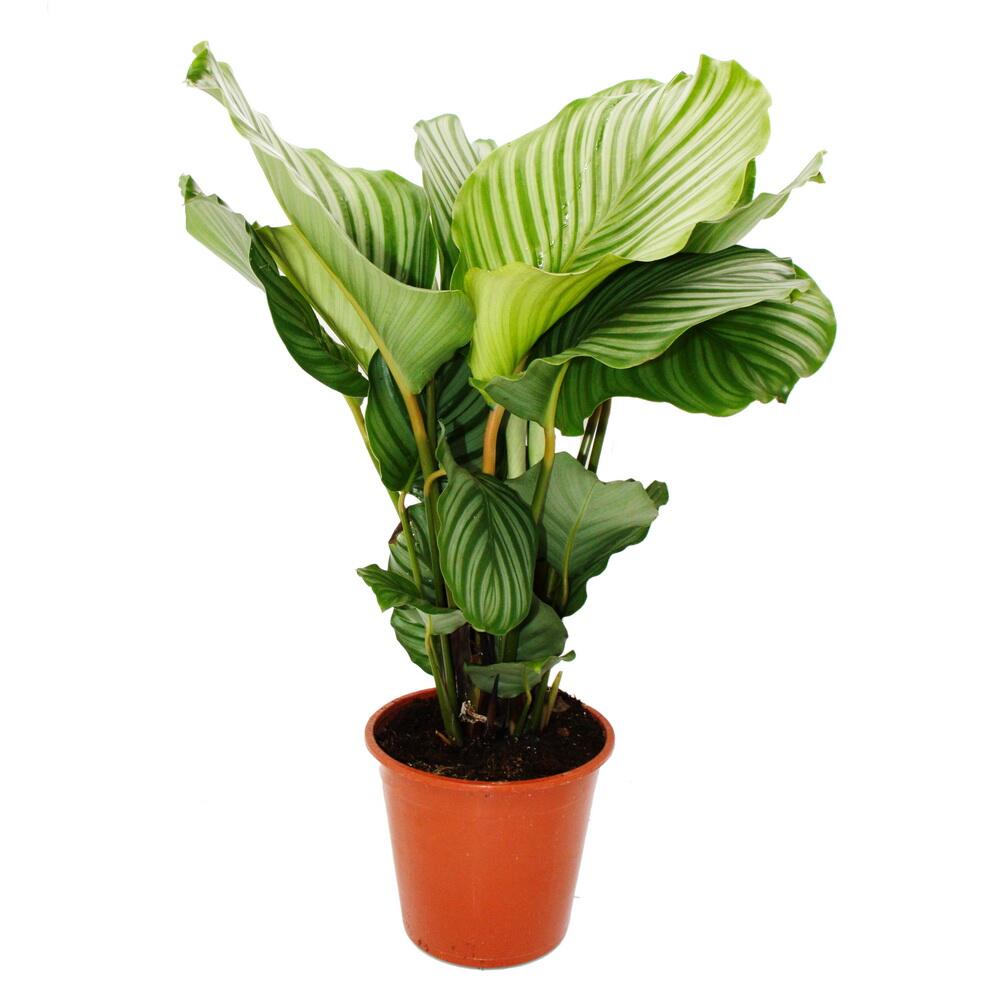
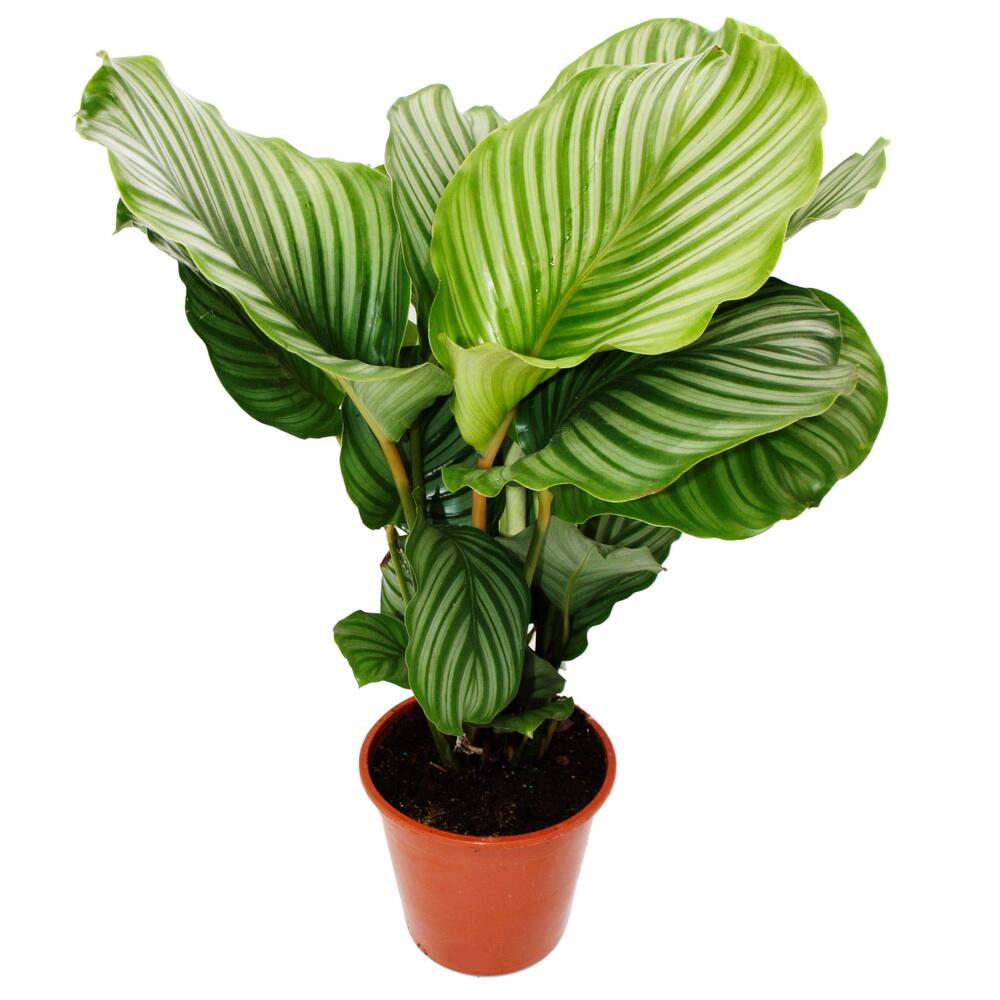
Good to know
Are the leaf undersides purple?
The described undersides of this plant are pale green to silvery. The purple backs of other related plants should not be transferred to it.
Why are the edges turning brown?
Dry air, unsuitable water or root problems can be responsible. Check the root ball and room conditions together.
Is misting alone enough?
It increases humidity only briefly. A suitable room climate and lasting control of humidity are more effective.
Can it stay in a dark bathroom?
Only with sufficient light suitable for plants. Humidity does not replace light.
Sources and editorial note
- Product and delivery contents: Exotenherz
- NC State Extension: plant profile
- Royal Botanic Gardens, Kew: botanical classification
Sources checked: 15 September 2026. Product information and the contents of delivery follow the linked shop offer. Care advice was checked against the cited specialist sources and should still be adapted to the plant’s condition, position and season.