
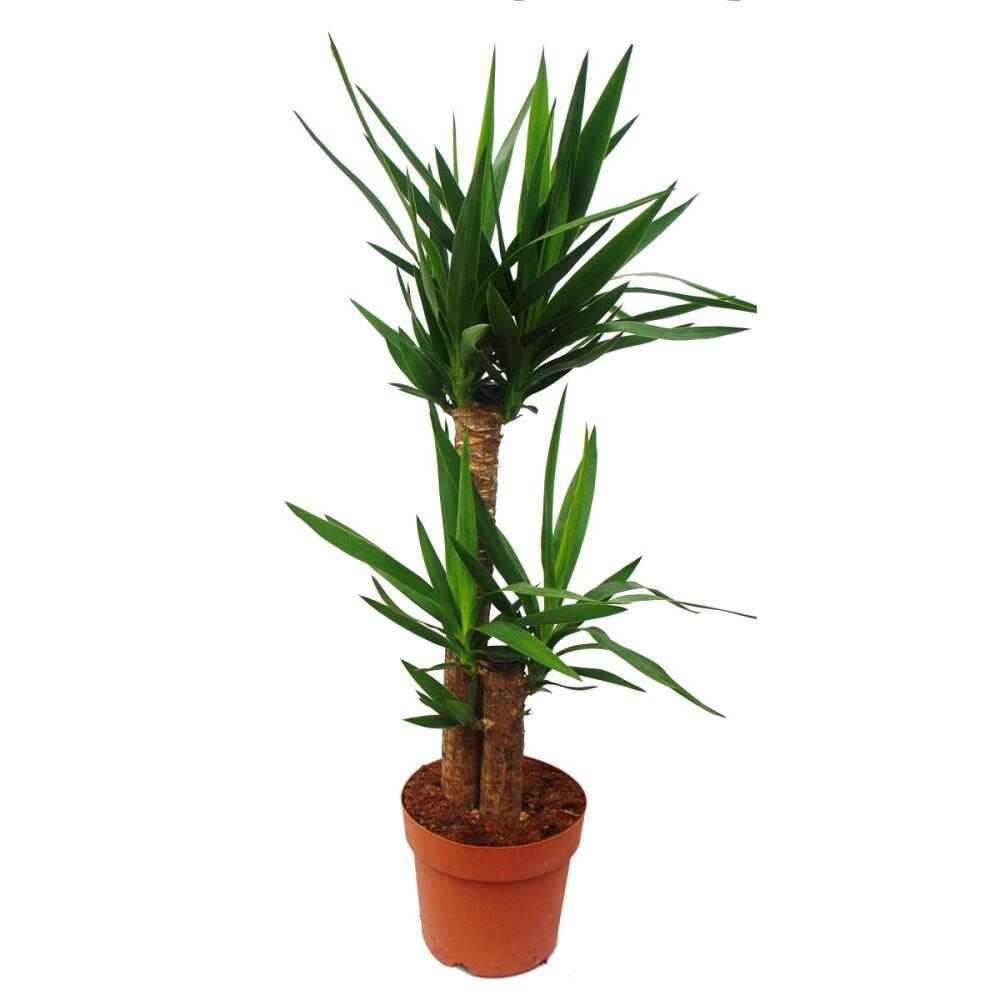
This plant at Exotenherz
Check the shop offer for current availability, price and what is included.
The linked shop is in German. Product details, availability and delivery information are provided in that shop.
Your care table
| Topic | What to do | Why it helps |
|---|---|---|
| Light | Keep very bright, acclimatising gradually to direct sun. | A bright position supports firm, compact new rosettes. |
| Water | Let the root ball dry somewhat between waterings and check before each watering. | Constant wetness is riskier than a short dry period. |
| Compost | Use a well-drained, structurally stable mix with mineral components. | Keep drainage holes clear. |
| Feeding | During growth, feed sparingly according to product instructions. | Reduce with little light or during winter rest. |
| Summer | A sheltered outdoor position is possible after acclimatisation. | Bring indoors before cold nights. |
| Winter | Keep bright and frost-free and adjust watering closely to need. | Do not equate it with hardy garden yuccas. |
| Trunks | Check firmness and container stability. | Soft tissue in wet compost calls for investigating the cause. |
| Leaf care | Remove old, dead foliage and check undersides. | Preserve healthy rosettes and leaf surfaces. |
Check the compost and pot weight. The care table explains how far the compost may dry.
Water only when needed. The water should reach the root ball without spilling over the rim.
Remove surplus water from the saucer or cachepot. Then return the plant to a suitable position.
A yucca, not a true palm
The widespread indoor yucca is usually listed as Yucca gigantea or under the older name Yucca elephantipes. It belongs to the asparagus family. Its round, woody trunk and sword-shaped leaf rosettes create the palm-like impression reflected in many trade names. The selected offer identifies a yucca in general; its form and care are explained here in the context of the usual indoor yucca. Distinguish it from hardy garden yuccas with different requirements.
Two trunks give the plant depth
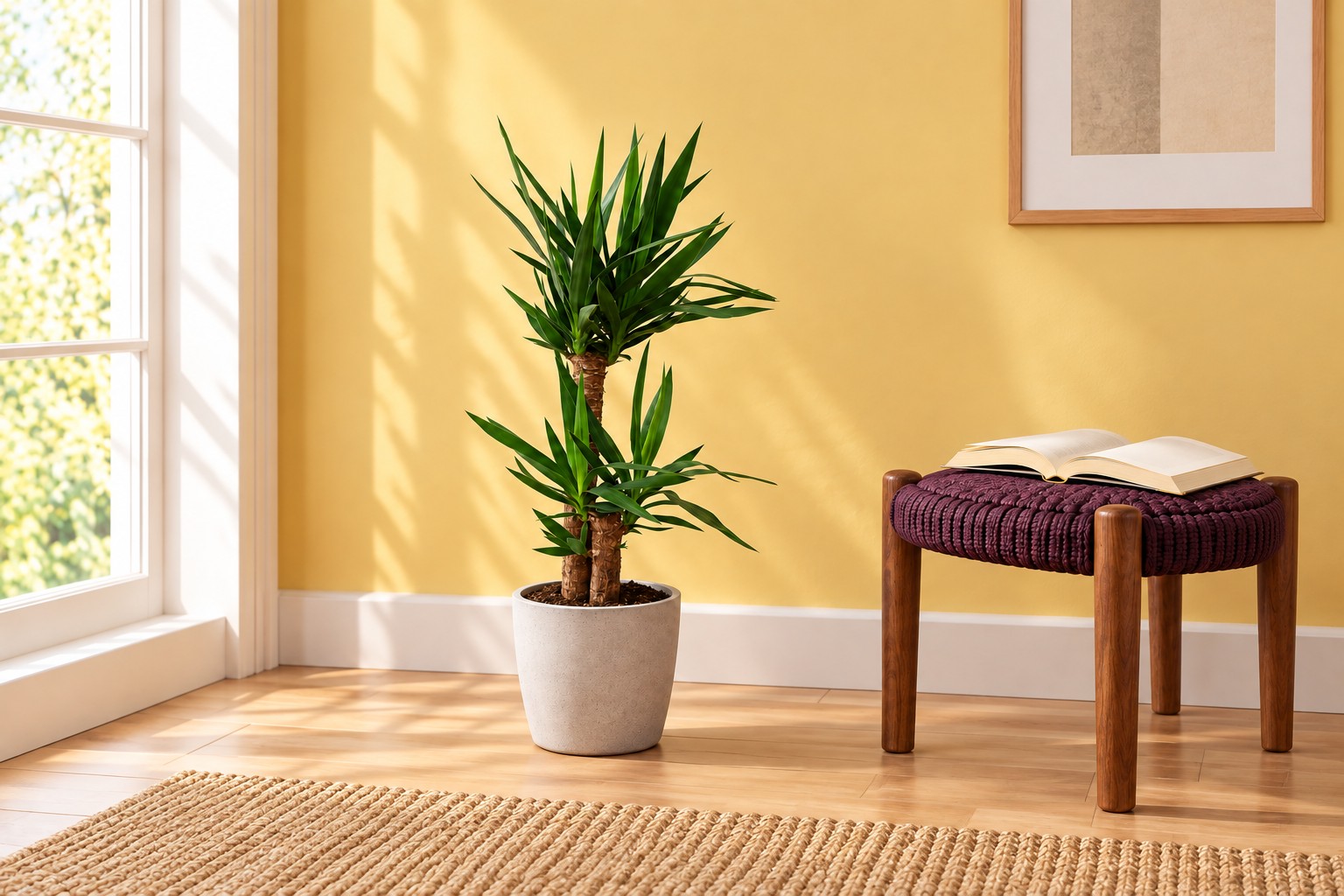
The specific offer shows two round trunks of different heights with leaf crowns. Approximately 80 cm total height and a 17 cm pot are stated. This compact combination can stand on the floor beside low seating if sufficient light reaches it. The rosettes need some lateral room. The scene follows the delivery form and does not show a mature outdoor plant. A heavy outer pot that will not tip helps keep the relatively slender growing pot stable in everyday use.
Plenty of light for firm new leaves
Yucca likes a bright to very bright position. Acclimatise gradually to direct sunshine after shipping rather than placing it immediately on a hot terrace. A summer stay outdoors can work if the position is sheltered and the plant is brought back inside in good time before cold nights. Indoors, keep it close enough to daylight. Long, thin new leaves and a loose structure can indicate insufficient light. Avoid cold draughts and abrupt temperature changes.
Assessing the compost before the next application
Let the root ball dry somewhat between waterings and also check a little below the surface. Then water slowly and evenly and remove leftover water. It tolerates dry periods better than permanently wet compost, but should not be left unobserved for months. Water needs often fall sharply in winter. The shop’s general wording about moist compost is therefore combined with the plant’s specific need for good drainage and drying between waterings. A soft trunk with a wet root ball is a serious warning sign.
Drainage and moderate nutrition
A structurally stable mix with a good mineral component makes drainage easier. A watertight outer pot cannot replace drainage holes. Repot only when clearly well rooted and into a suitably larger size. During growth, feed sparingly according to product instructions; reduce with little light and at rest. Individual old lower leaves gradually turn brown and can be removed gently. Preserve green crowns. If the plant becomes too tall, cutting back can encourage new shoots, but needs suitable growing conditions.
Avoiding confusion and care mistakes
A hardy garden yucca does not prove that an indoor yucca in a container can overwinter outside. Provide a bright, frost-free position for this form. Check rosettes and leaf undersides for mealybugs or scale insects. Brown tips can have different causes; assess moisture, light and roots together. Even relatively soft leaf tips should not intrude into narrow walkways. The plant is ornamental, not food, and should be kept away from nibbling pets.
One plant, several views
Good to know
Is yucca a palm?
No, it belongs to the asparagus family.
Are both trunks part of this offer?
The selected offer shows the indoor form with two round trunks. The current delivery description in the shop remains authoritative.
Can it overwinter outdoors?
The indoor form described here is overwintered bright and frost-free. Hardy garden species need a different assessment.
Why is the trunk soft?
Wet, damaged roots may be involved, among other causes. Check the root ball and drainage rather than watering again immediately.
Sources and editorial note
Sources checked: 15 September 2026. Product information and the contents of delivery follow the linked shop offer. Care advice was checked against the cited specialist sources and should still be adapted to the plant’s condition, position and season.