
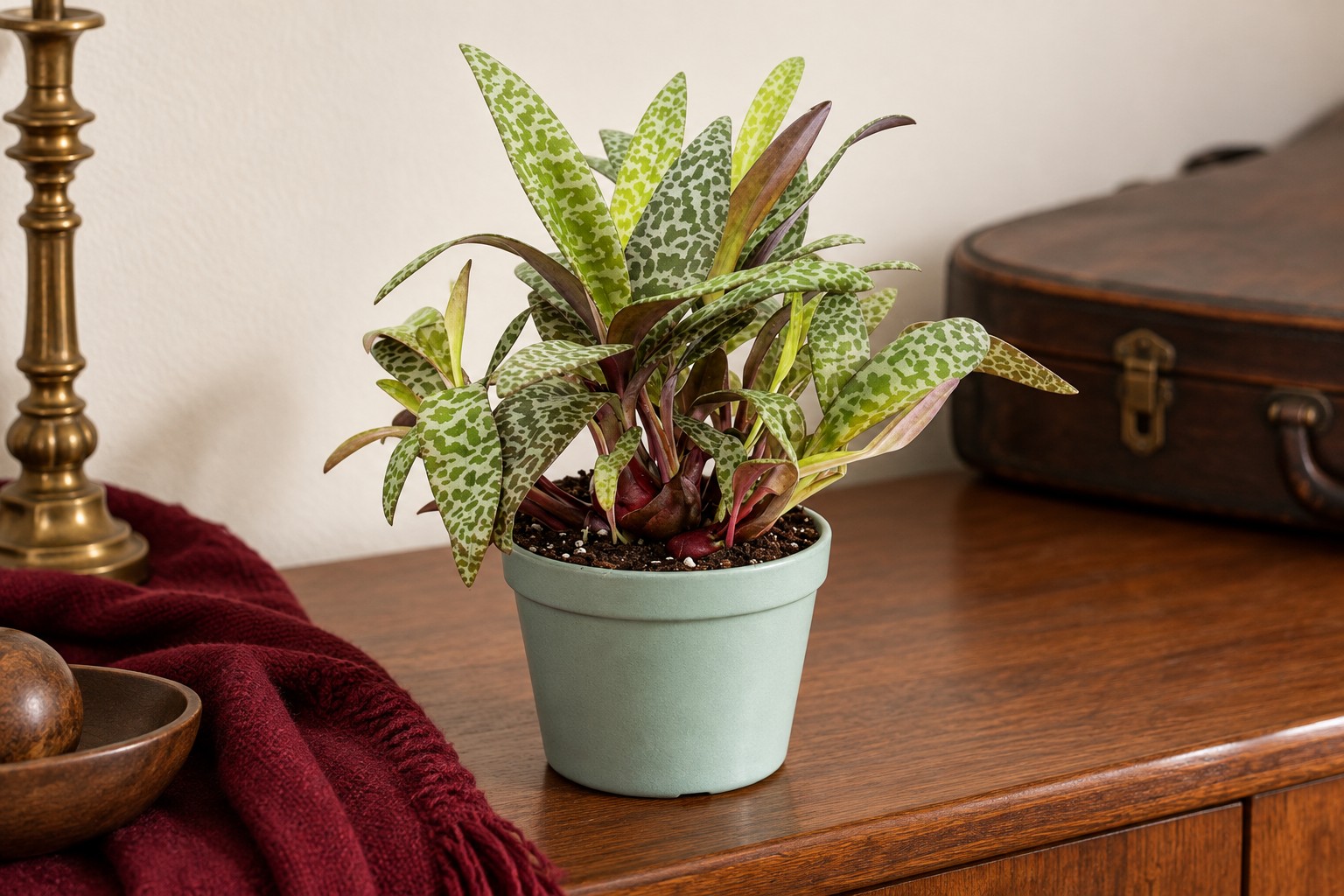
This plant at Exotenherz
Check the shop offer for current availability, price and what is included.
The linked shop is in German. Product details, availability and delivery information are provided in that shop.
Your care table
| Topic | What to do | Why it helps |
|---|---|---|
| Light | Bright, with careful acclimatisation to gentle sun. | Enough light maintains strong leaf growth. |
| Water | Let the compost dry noticeably between watering. | Bulbs serve as storage organs. |
| Drainage | Remove remaining water and avoid keeping bulb necks wet. | Standing water encourages rot. |
| Compost | Use a free-draining succulent mix. | The root zone should regain air quickly. |
| Planting depth | Keep bulbs partly above the compost as before. | Deep burial keeps sensitive necks too moist. |
| Fertiliser | Feed sparingly during growth, following the label. | This small storage plant does not need excessive feeding. |
| Winter | Keep bright and frost-free and water much more sparingly. | Reduced growth lowers demand. |
| Safety | Do not eat it or confuse it with kitchen onions. | Ledebouria is a poisonous ornamental plant. |
Check the compost and pot weight. The care table explains how far the compost may dry.
Water only when needed. The water should reach the root ball without spilling over the rim.
Remove surplus water from the saucer or cachepot. Then return the plant to a suitable position.
A bulbous plant with lasting decorative foliage
Ledebouria socialis forms small bulbs close to the surface. Elongated leaves emerge from them, with green spots on a paler background and often a purple underside. The name Scilla violacea is still used in trade, including for the linked shop listing. Small flower spikes may appear, but the leaf pattern provides the main appeal. Offsets gradually form a group. This plant is not a frost-hardy substitute for native squills in the garden.
Plan for the offered group
The listing comes in a 12 cm pot and is described at approximately 20–25 cm total height. A bright surface displays the pattern well. Bulbs and leaves need some space to the sides as the group grows. The scene shows a display idea based on the original photograph. The decorative pot and furnishings are not automatically included. Individual leaves may stand at different angles; a uniform artificial rosette would not be a realistic model for this plant.
Brightness without sudden sun stress
A bright position with filtered daylight is suitable. Acclimatise gradually to a little gentle direct sun. Insufficient light can encourage longer, weaker leaves and make the pattern less distinct. Keep it frost-free and away from cold draughts. Retain a bright position in winter. A resting or slower-growing group then needs significantly less water than during a warm spring.
Storage bulbs allow pauses
Let the compost dry noticeably between watering. Water as needed and reliably remove excess. Aim water at the compost rather than leaving it between bulb necks. Soft bulbs in a wet root ball are a warning sign. Do not respond to individual wrinkled leaves by adding more water without inspecting the roots. Pot weight helps distinguish a dry surface from an interior that is still wet.
Do not plant too deeply
When repotting, keep the bulbs in their previous, partly visible position. A loose, free-draining succulent mix and a container with drainage holes are suitable. Provide more room only when growth becomes dense. Well-developed offsets can be separated carefully, preferably with roots of their own. A small group need not be divided immediately. Feed sparingly during active growth, following the label; do not feed in advance during rest.
A close look at the bulb necks
Check leaf bases and gaps for mealybugs. Remove dead leaves gently without injuring healthy bulbs. The plant is not edible and must not be confused with kitchen onions. Keep plant parts away from children and pets. Assess changes across several leaves alongside light, moisture and season. This makes it possible to follow the slow development of an increasingly dense group.
One plant, several views
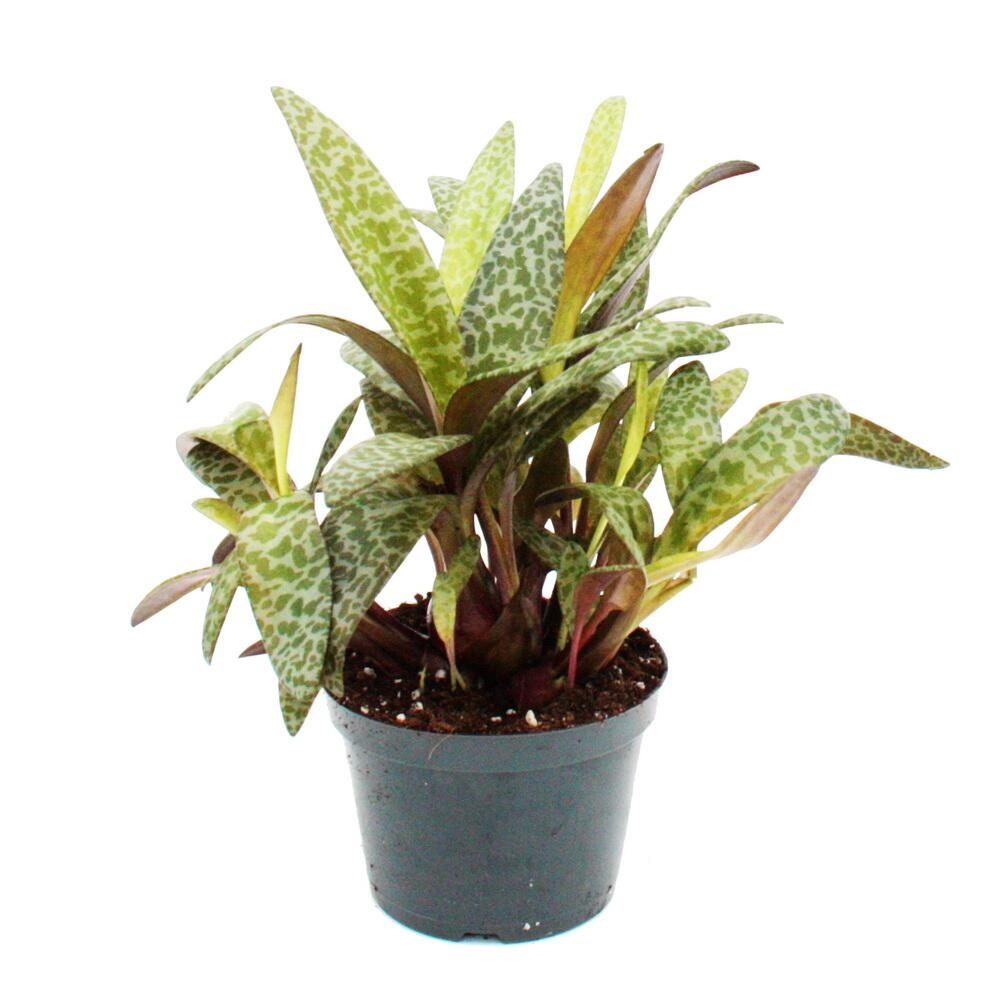
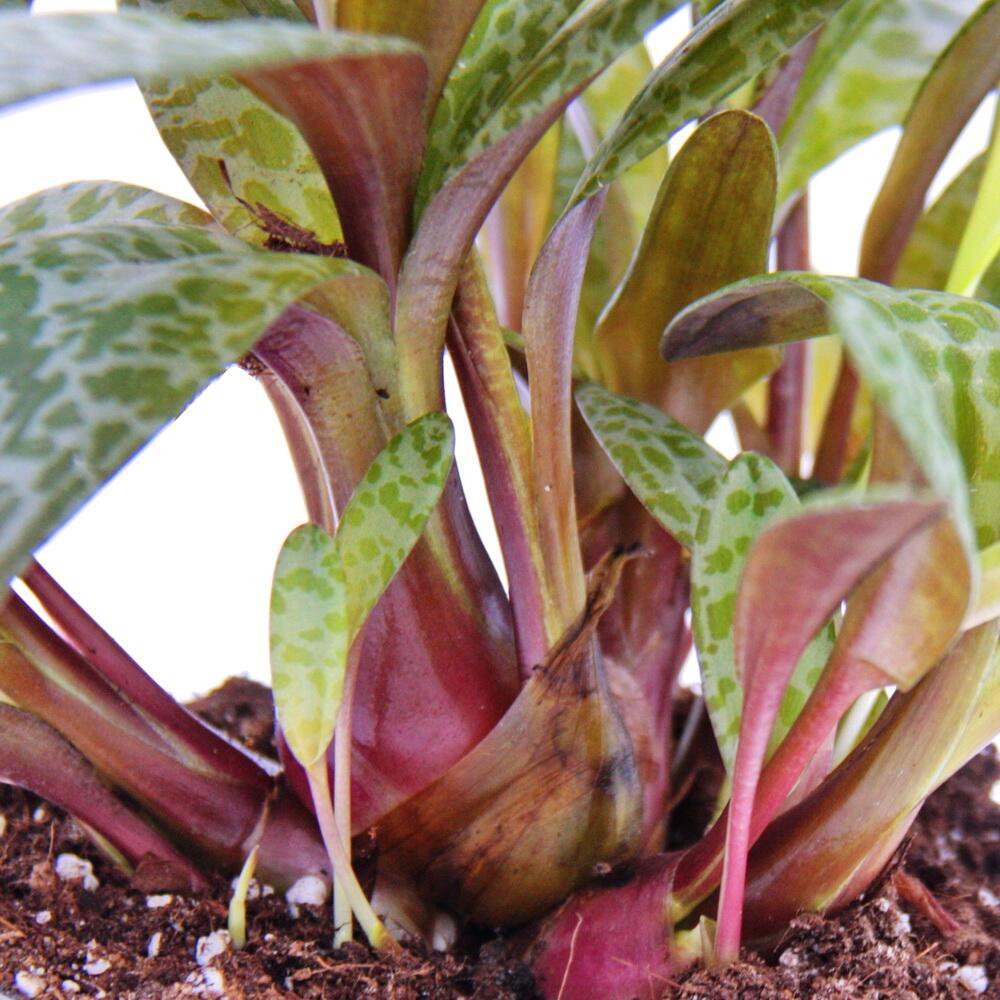
Good to know
Why is it called Scilla violacea in the shop?
It is an older name still commonly used in trade. The Pflanzenwelt entry uses Ledebouria socialis.
Should the bulbs be below the compost?
Keep their previous, partly visible position when repotting. Deep burial is unsuitable.
Can I remove offsets?
Well-developed offsets with their own roots can be separated carefully. A small group may stay together initially.
Is it suitable for winter in the garden?
No. This South African bulbous plant is kept frost-free here and should not be equated with native squills.
Sources and editorial note
Sources checked: 15 September 2026. Product details and delivery contents follow the linked shop listing. Care has been checked against the cited specialist sources and should be adapted to the plant’s condition, position and season.