This plant at Exotenherz
Check the shop offer for current availability, price and what is included.
Check the selected shop offer for price, availability and delivery contents.
Your care table
| Topic | What to do | Why it helps |
|---|---|---|
| Arrival | Check small ball/protected care until planting. | Young shrub first healthy roots not hard cuts. |
| Site | Sun/partial shade with moist draining earth. | Light supports winter bark, permanent wet harms roots. |
| Plant | Prefer autumn or spring same ball level. | Frost-free workable earth eases establishment/contact. |
| Spacing | Hedge 80–100 cm shop guide/solitary future space. | Small plants develop broad branches. |
| Water | Check the rootball and garden soil; when dry, water slowly at soil level. | Wet surface not moisture proof inside old pot ball. |
| Mulch | Loose cover/base free. | Holds moisture without burying shoot bases. |
| Prune | Establish first, later late winter-spring by vigour. | Young stems give colour, hard cut reduces flowers. |
| Suckers | Early check shoots outside intended area. | Shrub can expand sideways. |
| Pot | Generous root space/drainage/protected winter site. | Small delivery ball not permanent container culture. |
For young plants, feel the soil directly at the root ball. The surface and deeper soil may have different moisture levels.
Water thoroughly after planting; later, water according to the soil, weather and establishment rather than a fixed calendar.
Avoid standing water. For plants in containers, also check that water runs out of the drainage hole.
Colour waits under summer leaves
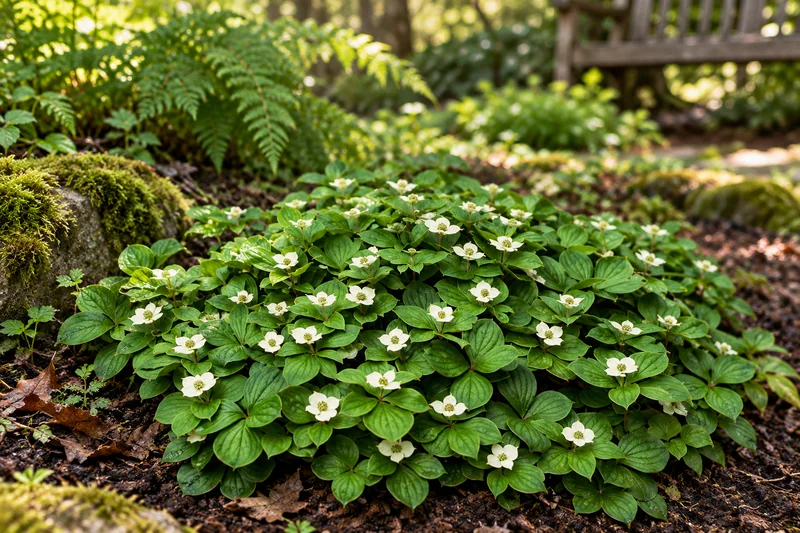
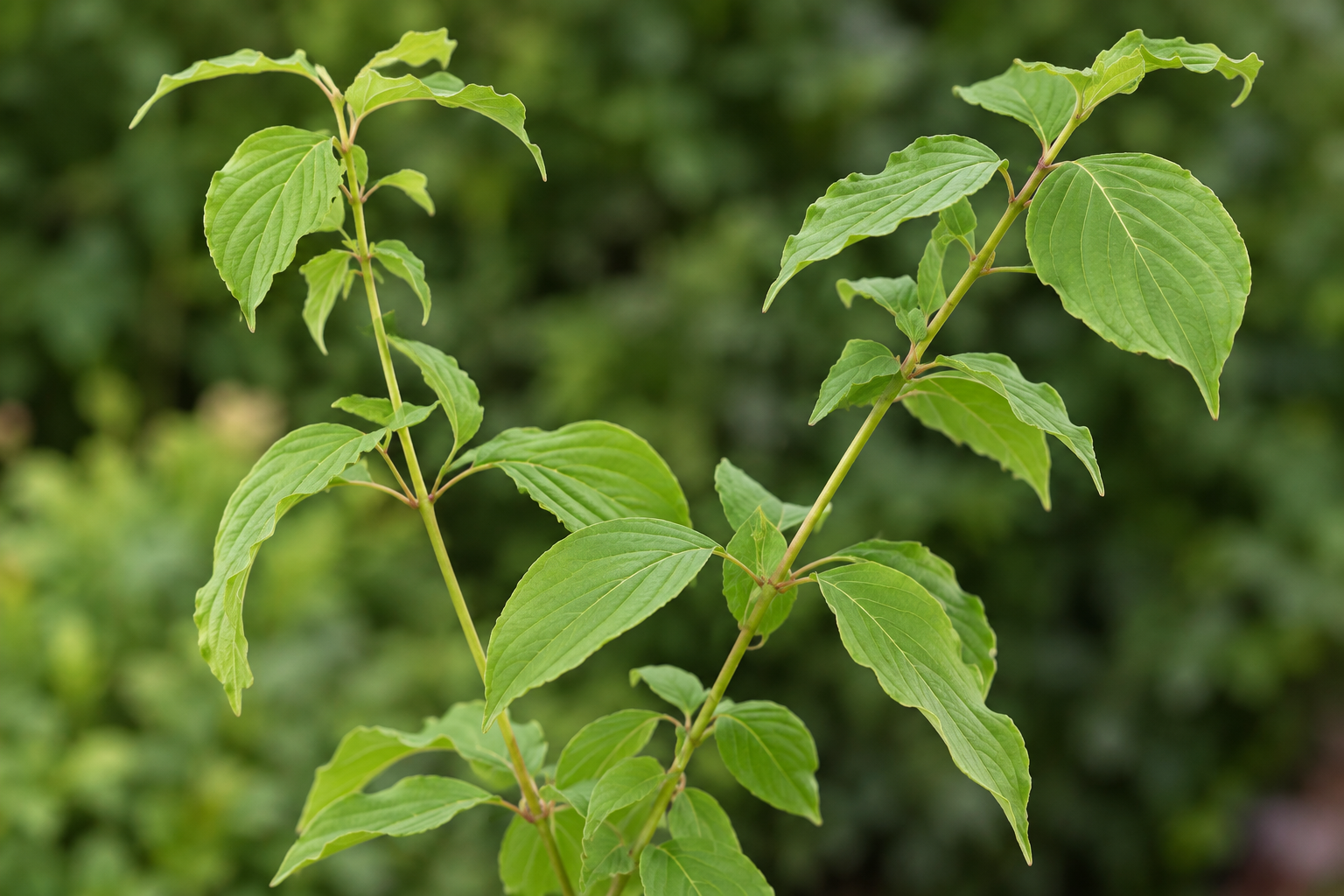
Name not visible daily. Summer opposite oval green leaves/pointed ends/curved veins. Leaf fall exposes young warm orange bark/reddish tips. Deciduous Cornus sanguinea branching framework. Small creamy-white late spring-early summer heads of many flowers, not large white Canadian-dogwood bracts. Strong winter twig display changes light/shoot age/weather.
Six little pots first need roots
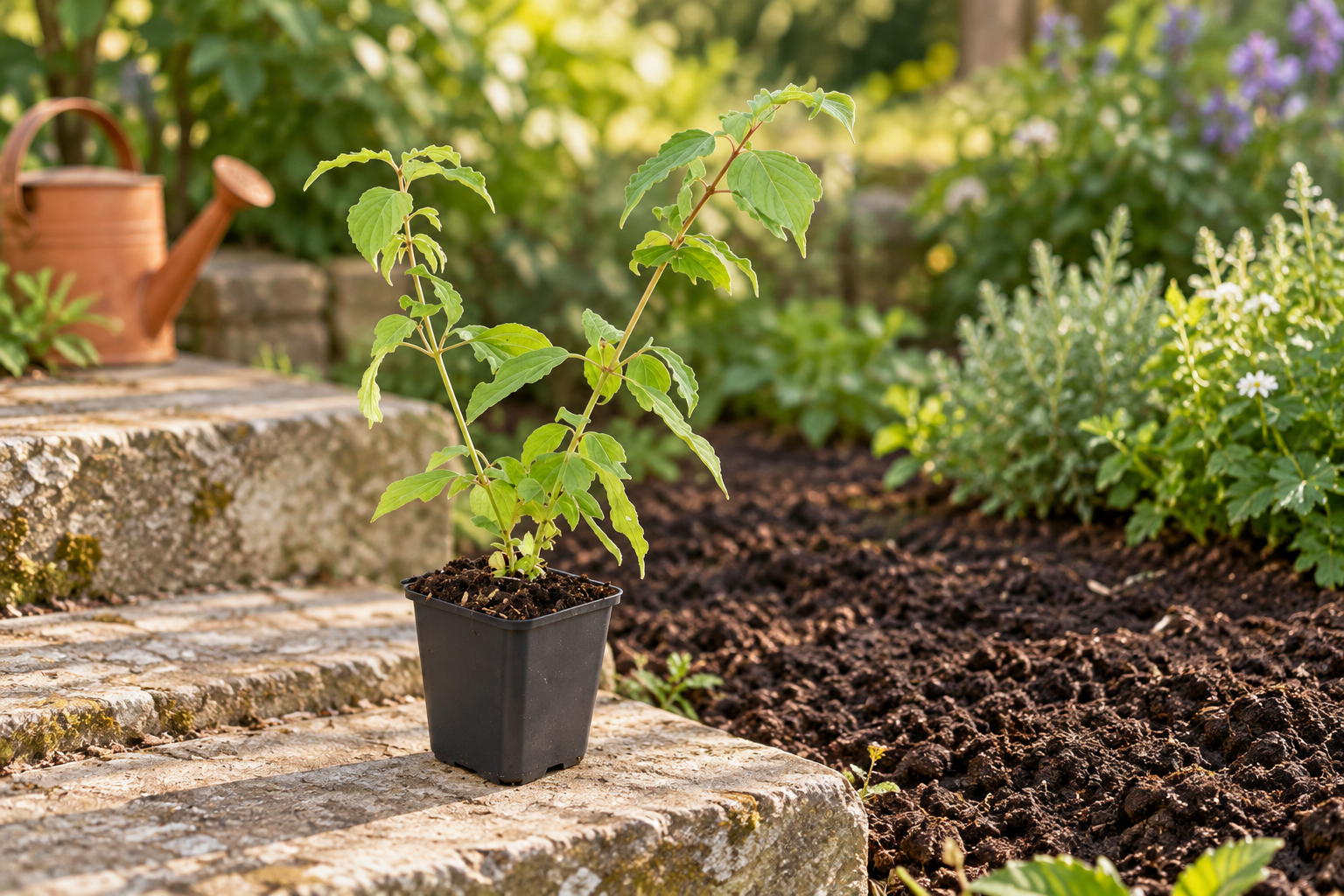
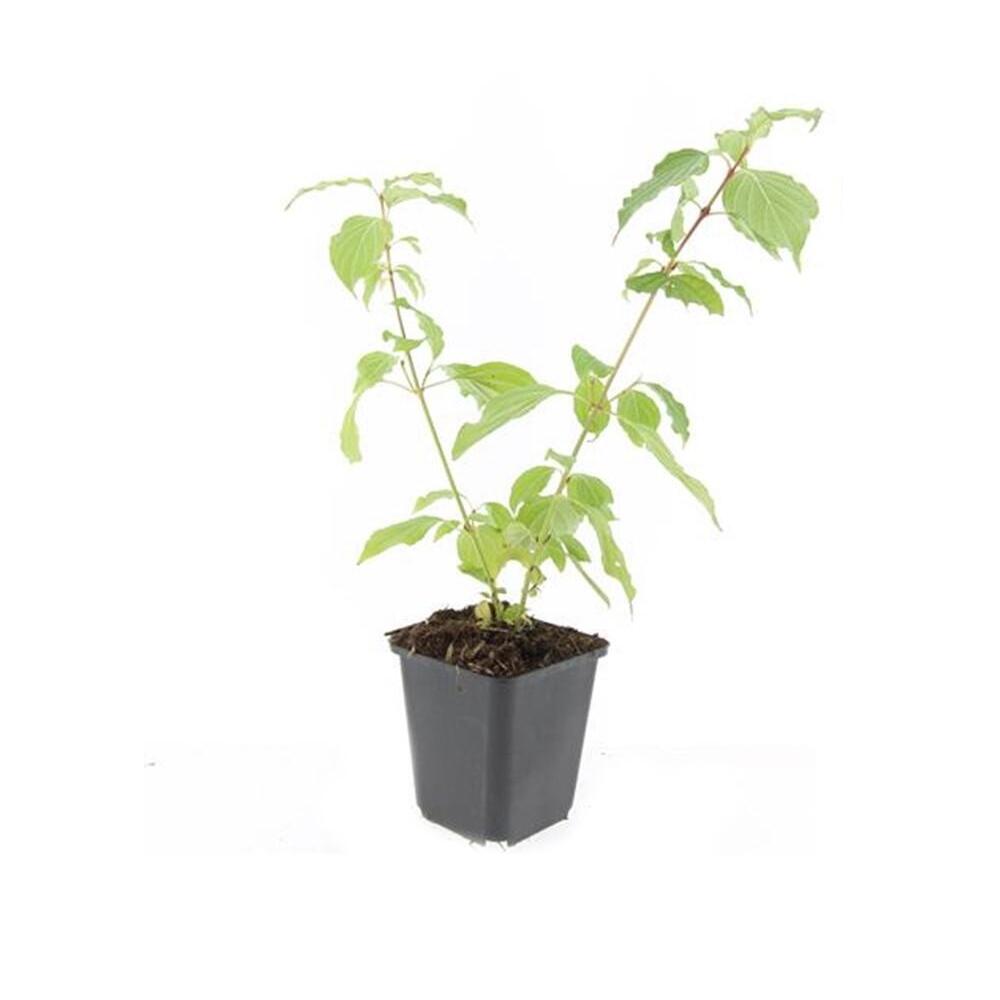
Offer 6 plants9 cm pots/10–25 cm total including pot. Green young loosely branched original, not orange winter hedge delivered. Check moist balls/keep sheltered until planted. Individual young branch can be longer/wider. Future1.5–2.5 m high/wide guide over years, site/prune affect, free older shrub may exceed.
Plan winter view with site
Choose also by viewing window/path. Sun supports strong colour, partial shade possible/deep shade weakens. Calm dark background shows warm bark better than mixed shrub wall. Ground holds moisture/drains surplus, always dry sand as unsuitable as airless wet hole. Space underneath for suckers/side expansion, narrow path-edge later more cuts/thinning.
Plant while ground and ball connect
Autumn frost-free workable soil good, spring possible monitor ensuing dry spell. Moisten dry rootballs first/loosen connected ground rather than tiny compact holes. Old pot level/gently firm/thorough water.80–100 cm hedge offer guidance not immediately closed stand. Solitary room for later spread, loose mulch away trunk foot.
Moist soil beats frequent top-ups
Establishing check old ball/adjacent ground. Rain dark surface not necessarily dense little ball wet throughout. Dry: slow base water reaching roots. Already wet extra no use, check outflow. Established help prolonged drought. Poor ground modest feed after spring prune may suit by soil/actual growth, not desire many orange twigs. Large vessel ongoing moisture/drainage;9 cm not permanent home.
Renew colour without exhausting youngster
Strong young stems colour best. Hard prune renews but new planting first about two years rooting. Developed shrub late winter-spring by weather/vigour. Not universally full annual coppice: longer intervals/selective old wood may suit. Weak plants ease/care first not automatic low cut. Hard renewal reduces flower/later fruit set, choose seasonal priority.
Orange bark is seasonal
After leaf fall inspect/mark old stems. Brown dry tips not wanted colour shift, check living wood beneath. Spotted leaves/dying branches interpreted with ground/site. Suckers outside area early before neighbour bed. Pot ball more frost/drought exposed than ground, shelter/root protection useful. Anny’s and Midwinter Fire separate named cultivars, stronger orange here no substitute for care/unchanging colour guarantee.
One plant, several views
Good to know
Why arrives green not orange?
Young delivery leafy growth stage, warm bark strongest after leaf fall by light/stem age.
How large?
Approx. 1.5–2.5 m high/wide guide, free can larger, site/prune shape.
When plant small pots?
Prefer autumn/spring frost-free workable ground, prewet ball/controlled care.
Six spacing?
Shop approx. 80–100 cm hedge, solitary future width; not crowd six in tiny bed.
Hard cut freshly planted?
Wait strong rooting usually about two years, first moisture/healthy structure.
Remove all yearly?
No, interval/intensity by vigour, selectively thin old; strong cut reduces flowers/fruit.
Same as Midwinter Fire?
Separate Cornus sanguinea cultivars. Anny’s stronger orange description; both need space/moist soil/appropriate renewal.
Sources and editorial note
- Exotenherz: delivery/original gallery (04.10.2026)
- RHS: Anny’s Winter Orange
- RHS: colourful-stem dogwood care
- International Dendrology Society: Cornus sanguinea/cultivars
- Adrian Bloom, Bressingham/Foggy Bottom: comparison/culture
- Craven College: Anny’s Winter Orange profile
Offer/sources checked04.10.2026, delivery/later garden development separate; current availability in shop.