This plant at Exotenherz
Check the shop offer for current availability, price and what is included.
Check the selected shop offer for price, availability and delivery contents.
Your care table
| Topic | What to do | Why it helps |
|---|---|---|
| Arrival | Check small ball/protected care until planting. | Healthy roots first not hard cuts. |
| Site | Sun/partial shade with moist draining soil. | Light supports bark, permanent wet harms roots. |
| Plant | Prefer autumn or spring same ball level. | Frost-free workable ground eases rooting/contact. |
| Space | Hedge approx. 80–100 cm shop, solitary later room. | Young plants become broad branched shrubs. |
| Water | Check the rootball and garden soil; when dry, water slowly at soil level. | Wet surface no old-pot-ball moisture proof. |
| Mulch | Loose cover/trunk foot clear. | Holds water without burying shoots. |
| Prune | Root first, later late winter-spring by vigour. | Young stems colour, strong cut reduces flowers. |
| Suckers | Check outside intended area early. | Shrub may extend sideways. |
| Pot | Generous roots/drainage/protected winter site. | Little delivery ball no permanent vessel culture. |
For young plants, feel the soil directly at the root ball. The surface and deeper soil may have different moisture levels.
Water thoroughly after planting; later, water according to the soil, weather and establishment rather than a fixed calendar.
Avoid standing water. For plants in containers, also check that water runs out of the drainage hole.
Green shrub with a second performance
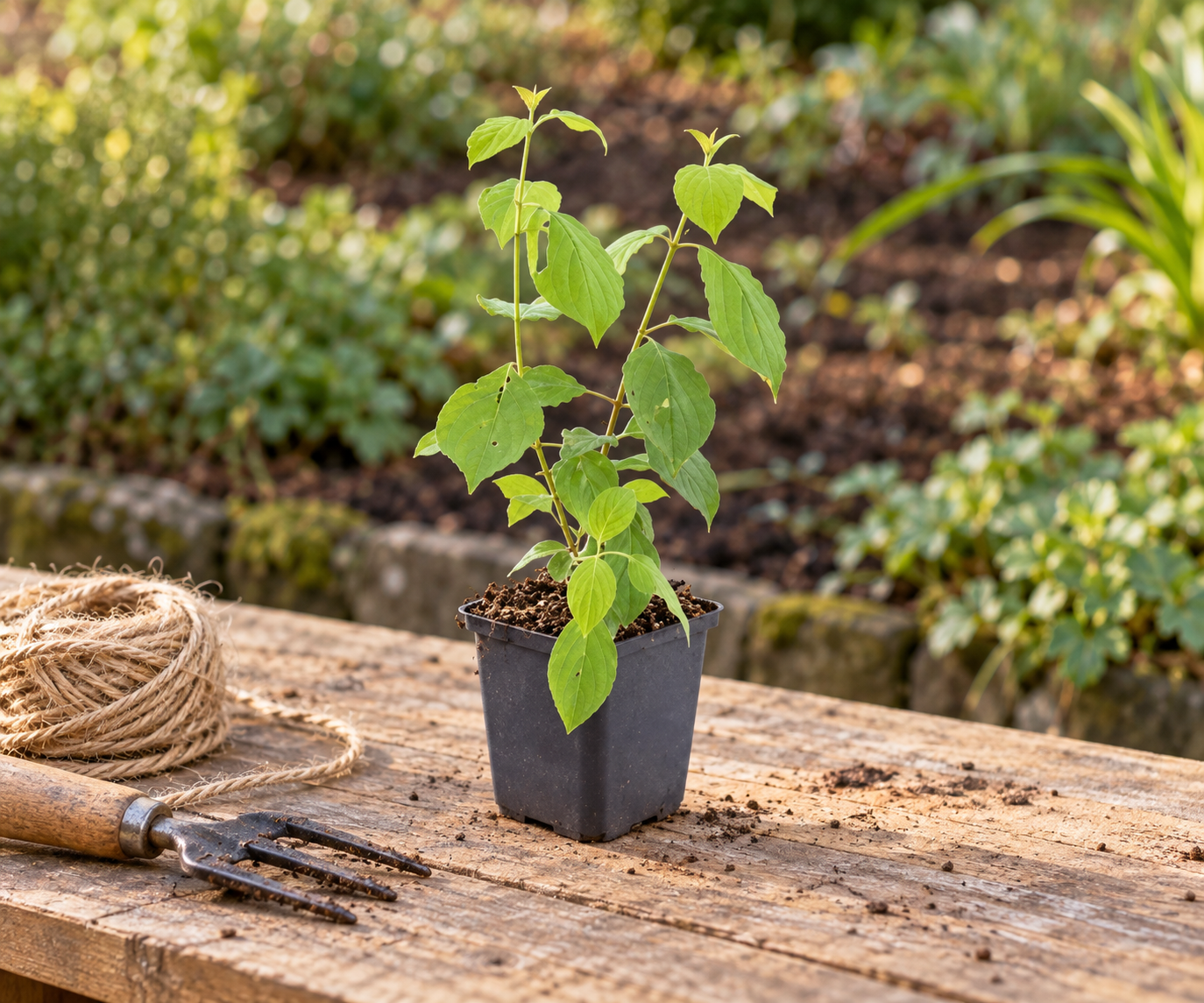
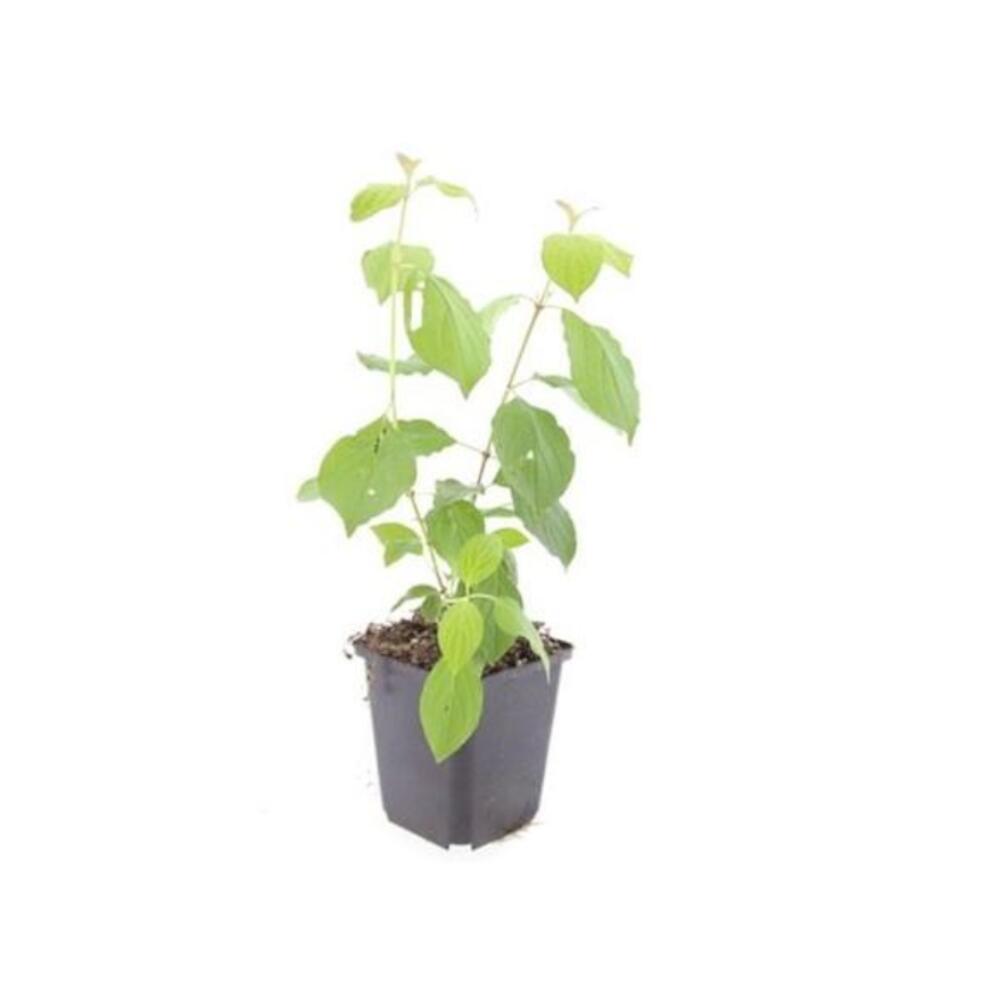
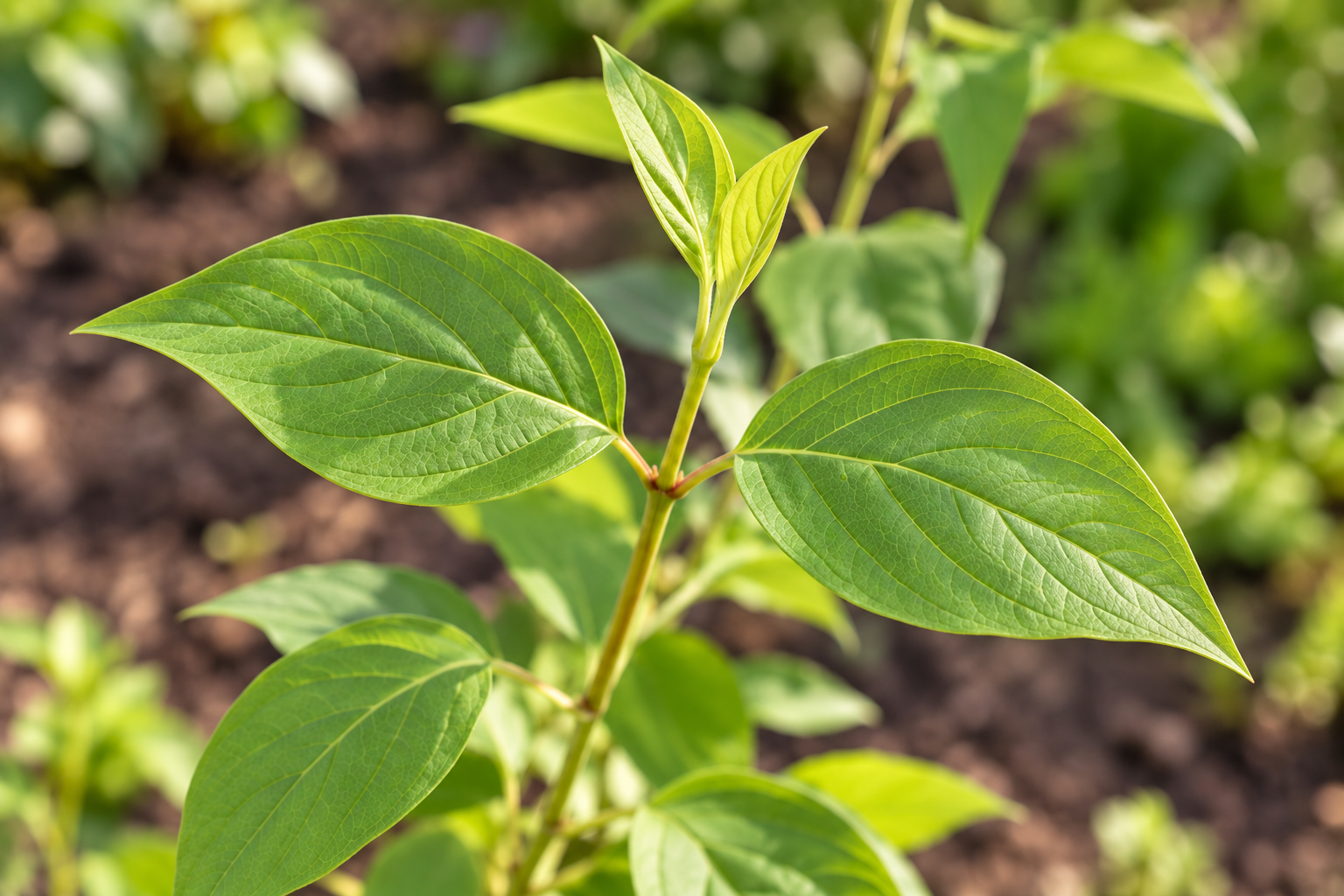
Starts leafy green: opposite oval pointed leaves on slim shoots, veins gently arching toward tips. Young stalks/stems yellow-green in growth. Autumn changes: after leaf fall yellow/orange stretches with red tips possible. Cornus sanguinea Midwinter Fire deciduous branching shrub not permanent orange groundcover. Small whitish late spring-early summer heads if development/pruning allow. Many individual young stems build winter picture by site/season.
Prepare delivery for later spot
Six youngsters9 cm nursery pots/10–25 cm total including pot, not mature height/finished winter planting. Arrival check moisture, distinguish damaged twigs from normally tender new growth, shield drying until planting. Mature1.5–2.5 m high/wide useful guide, free may exceed. Spreading/suckering, accessible bed/base/outer shoots rather than cramped paths.
Light and moist ground build stems
Sunny garden supports later bark colour, partial shade possible/weaker effect. Calm green background shows pale twigs without blocking path. Different soils if moisture held/surplus drains. Hot dry wall/narrow soil strip needs more than open prepared bed. Hardiness word alone not enough: young ball/wet ground/exposed pot unlike established shrub. Healthy roots carry future growth.
Loose planting stays accessible
Autumn if unfrozen and not waterlogged, spring also monitor dry-summer transition. Lay pots out first, shop 80–100 cm hedge starting point; solitary future spread. Loosen area/old ball level/slow water. Mulch immediate trunk base free. New shoots beside original base, remove unwanted suckers while manageable. Natural loose group need not continuously tight shear to smooth wall.
Water need in original ball
Small pot earth often dries faster than surrounding ground, feel both while establishing. As needed thorough slow ground water rather than daily wetting leaves only. Surplus after long rain must escape. Established normally moist ground less extra, prolonged drought help. Vessel root space/stability/outlet, future size not permanently delivered pot. Feed only with proper roots/water, poor soil moderate spring dose after cut may help, vessel growth per label.
Balance winter colour and flowers
Established renewal late winter-spring for fresh colourful stems, young first about two years rooting. Actual vigour rather than universal annual radical cut. Longer intervals/selective old stems can rejuvenate. Weak plant improve conditions first. Hard cutting removes possible flower/fruit wood, leave part framework/renew others for both. Clean sharp tool/frost-free timing, protect tender new growth from drying stress.
Watch outside winter too
Spring not colour alone, growth/soil too. New pale leaves firm later, late cold may stress tips. Wilt/wet ball not automatic extra water. Dead twigs/spotted leaves drainage/drought/disease considered together. Autumn change/drop normal deciduous, winter-bearing young twigs revealed. Anny’s Winter Orange another named selection stronger orange. Bark colour alone no reliable garden cultivar diagnosis, retain offer association/follow full year.
One plant, several views
Good to know
Orange all summer?
No, leafy phase young yellow-green shoots, striking yellow-orange/red bark especially autumn/winter.
10–25 cm final height?
Young offer total including pot; later 1.5–2.5 m high/wide years guide not fixed limit.
Why space beside hedge?
Spreading/suckers, base access for checking/renewal.
Offer spacing?
Shop approx. 80–100 cm hedge, solitary later width. Not instant dense winter wall.
When hard renewal?
Well-rooted strong plants generally after about two years, then late winter-spring by weather/vigour.
Fewer flowers after hard cut?
Old framework may bear flowers, leave part/renew other for flowers/fruit.
Stay9 cm pot?
Temporary until planting, lasting pot needs more roots/managed moisture/free drainage.
Sources and editorial note
- Exotenherz: delivery/original gallery (04.10.2026)
- RHS: Midwinter Fire
- RHS: colourful-stem dogwood care
- International Dendrology Society: Cornus sanguinea/cultivars
- Adrian Bloom, Bressingham/Foggy Bottom: comparison/culture
Shop/sources checked04.10.2026; delivery/later garden growth distinct, availability in shop.