This plant at Exotenherz
Check the shop offer for current availability, price and what is included.
Check the shop for the price, current availability and what is included.
Your care table
| Topic | What to do | Why it helps |
|---|---|---|
| Light | Bright with protection from hot direct sun. | Large green stems may burn with an abrupt sun change. |
| Water | Moderately moist during growth, with the top drying slightly. | The forest cactus cannot tolerate permanent desert treatment. |
| Drainage | Allow to drain completely after watering. | Closed hanging pots may accumulate water unnoticed. |
| Compost | Humus-rich, loose and with coarse structure-forming components. | Epiphytic roots require plenty of air. |
| Fertiliser | Moderately during active growth following the label. | An overfed root ball burdens sensitive roots. |
| Winter | Bright and frost-free; cooler around 12–15 °C is possible. | Water less often with lower consumption but do not desiccate permanently. |
| Space | Allow long stems to hang freely and fasten securely. | Rubbing and bending leave lasting damage. |
| Inspection | Check bases for scale and mealybugs. | Pests favour protected areas. |
Check the compost and pot weight. The care table explains how far the compost may dry.
Water only when needed. The water should reach the root ball without spilling over the rim.
Remove surplus water from the saucer or cachepot. Then return the plant to a suitable position.
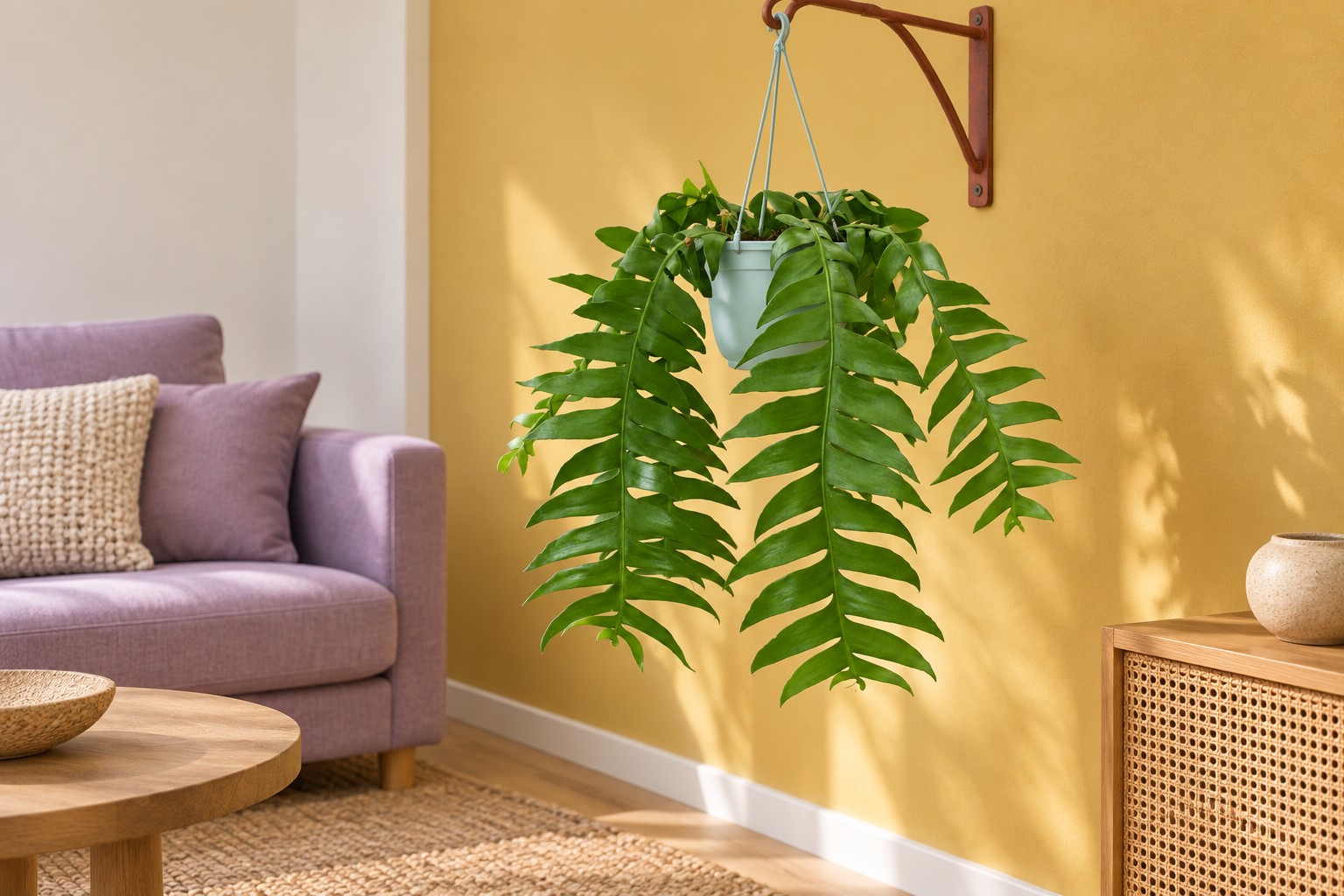
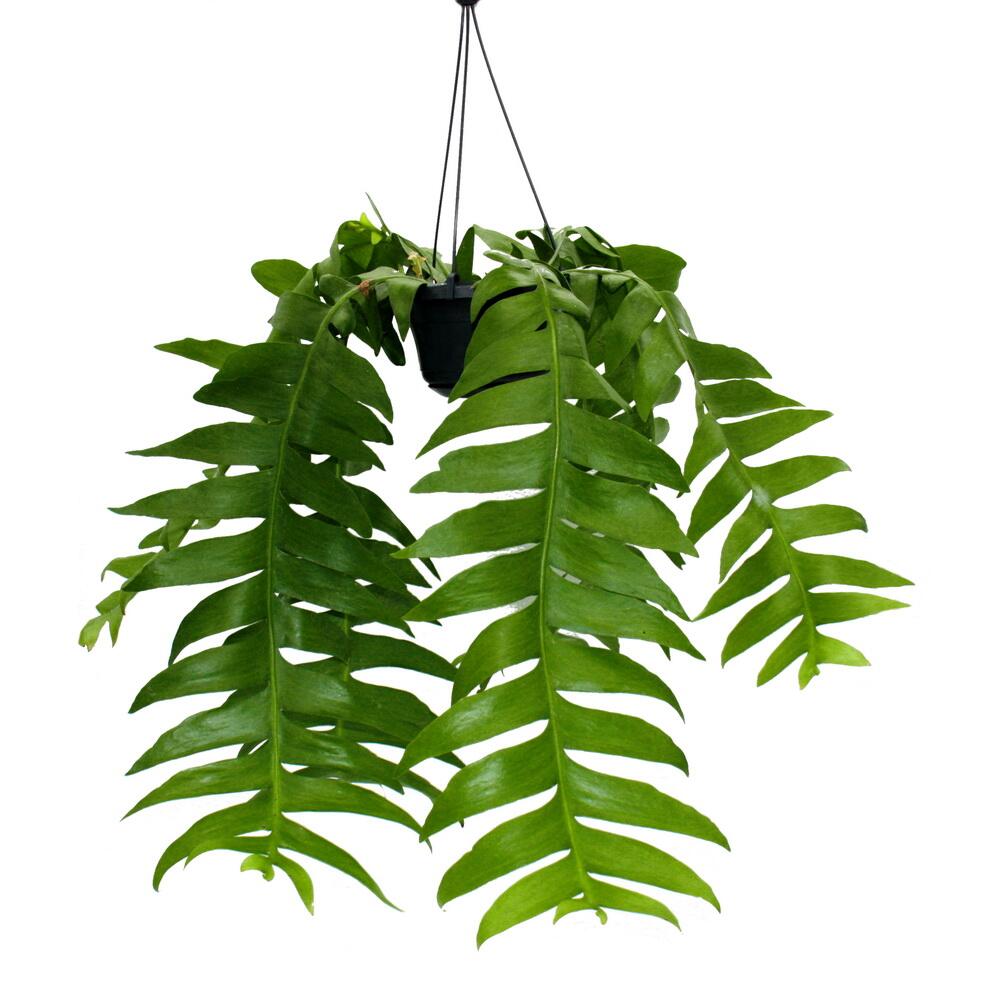
A cactus with the impression of a fern frond
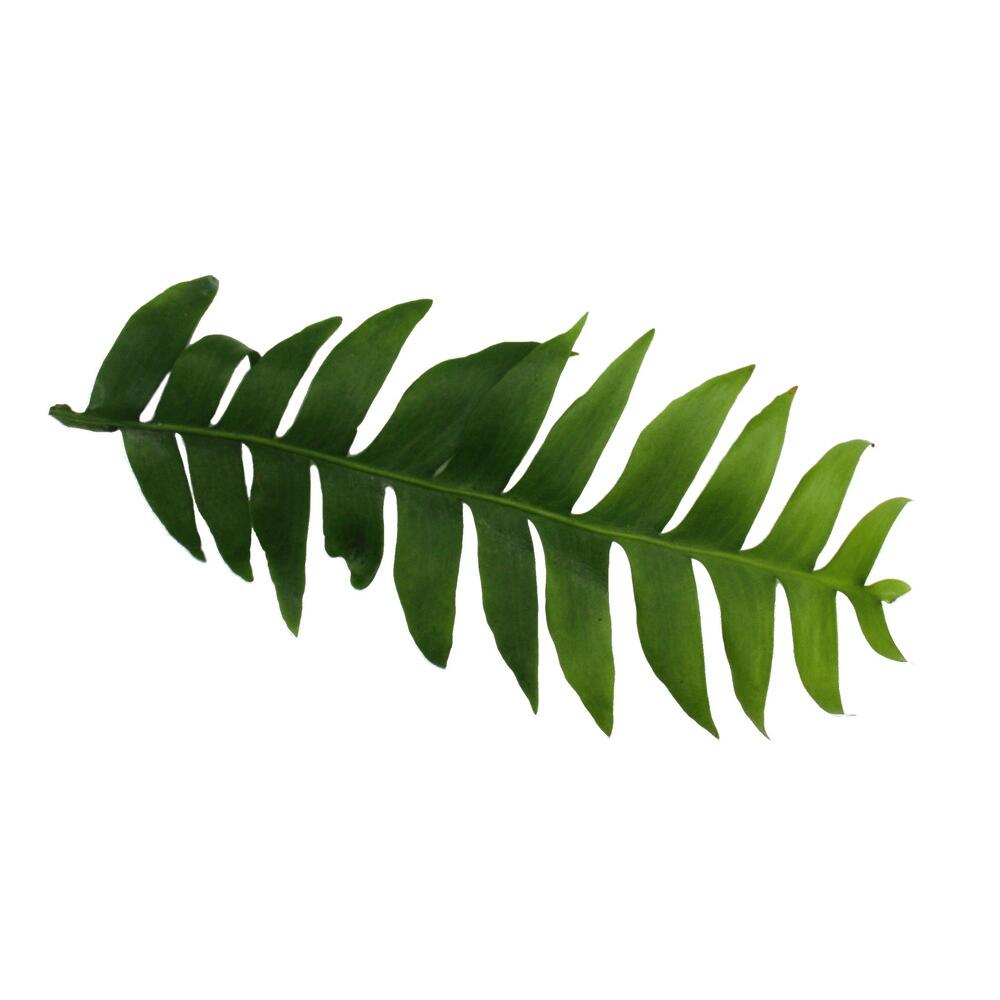
The long flat green organs are stems, not true fern leaves. Deep cuts divide them into broad side lobes along a continuous central axis. Kew lists the species as Epiphyllum chrysocardium; other specialist and trade sources use Selenicereus chrysocardium. Both names therefore appear in this portrait. The fern-like leaf cactus is not simply another spelling of the zigzag cactus. The combined shop description with anguliger is not adopted as a separate botanical species name.
The hanging pot needs space sideways and below
The shop states a 14 cm hanging pot. The given 60 to 80 cm is treated as growth length, not guaranteed length of every delivery. The scene follows the proportions of the original plant. Long stems should spread freely without rubbing doors, sharp shelf edges or hot radiators. Secure hanging is especially important after watering when the pot becomes heavier. Holder, cover pot and furnishings are not automatically part of the offer.
Forest cactus means light with protection
In its Mexican home, the plant may grow epiphytically on other plants. It uses them for support and is not a parasite. For cultivation, this principally suggests airy roots and a sheltered bright position. Hot unrestricted midday sun may damage the large green stems. A dark place deep in a room instead often supplies too little light. Even warmth during growth and protection from cold draughts ease acclimatisation.
Give water without enclosing roots
Keep compost moderately moist during growth and let the upper layer dry slightly between waterings. Then supply thoroughly and drain excess. A permanently filled closed hanging pot may be as problematic as completely dry soil for weeks. Its large green stem apparatus does not make this cactus a plant for forced desert rest. With limp shoots, first examine the root ball: both dryness and wet damaged roots may interrupt water supply.
Airy compost and a quiet winter phase
A structurally stable humus-rich mix with coarse air-conducting components suits better than heavy compacted soil. Repot moderately when root room requires it. Feed sparingly during active growth following the label. A bright cooler winter position around 12 to 15 °C may support a quieter phase; stay frost-free and clearly adapt watering to lower consumption. The root ball should not permanently desiccate completely. Consumption and growth rhythm may differ in warm rooms.
Flowers may be expected but not assumed
Older well-developed plants may form large pale flowers. A specific flower size, date or flowering on the young delivery is not guaranteed. Healthy stem sections may root as cuttings in suitable conditions after the cut surface dries. The plant need not constantly be shortened for compact shape. Check bases and protected areas for scale and mealybugs. Treat damaged stems cleanly; existing firm scars do not disappear with more watering or fertiliser.
One plant, several views
Good to know
Are those fern leaves?
No. The flat deeply lobed green parts are cactus stems.
Which botanical name is correct?
Kew uses Epiphyllum chrysocardium; other sources, including the RHS, list Selenicereus chrysocardium. Both names refer here to the same offered species.
Is delivery 80 cm long?
No definite delivery length is stated. The 60 to 80 cm is described as growth length.
Must it stay dry for months like a desert cactus?
No. This leaf cactus needs water supply adapted to light and temperature and must not permanently desiccate.
Sources and editorial note
- Product and delivery contents: Exotenherz
- Royal Botanic Gardens, Kew: botanical classification
- Royal Horticultural Society: plant and care knowledge
- Royal Horticultural Society: plant and care knowledge
Sources checked: 15 September 2026. Product information and delivery contents follow the linked shop offer. Care has been checked against the stated specialist sources and remains subject to plant condition, position and season.