This plant at Exotenherz
Check the shop offer for current availability, price and what is included.
Check the selected shop offer for price, availability and delivery contents.
Your care table
| Topic | What to do | Why it helps |
|---|---|---|
| Light | Position very brightly; increase stronger sun gradually after shipping. | Well-lit stems remain more compact; an abrupt move against hot glass stresses leaves. |
| Water | Let the root ball dry noticeably between thorough waterings. | Fleshy leaves buffer moisture; roots still need a complete water supply and air. |
| Drainage | Drain completely after watering; remove water from the cachepot. | Standing water can remain hidden in a hanging pot for a long time. |
| Soil | Use loose, well-draining succulent substrate. | Mineral components keep the root zone open. |
| Nutrients | During visible growth, feed sparingly according to the fertiliser label. | A small succulent needs no heavy continuous feeding. |
| Repotting | Give only a little more pot space once roots densely fill it. | An oversized damp soil volume dries considerably more slowly. |
| Shape care | Remove damaged branches; selectively shorten troublesome long stems. | The loose trailing form belongs to the plant’s character. |
| Winter | Keep bright and frost-free; reassess water needs during slow growth. | Short days and a resting root ball need less replenishment. |
Check the compost and pot weight. The care table explains how far the compost may dry.
Water only when needed. The water should reach the root ball without spilling over the rim.
Remove surplus water from the saucer or cachepot. Then return the plant to a suitable position.
Small leaf pairs rather than grand gestures
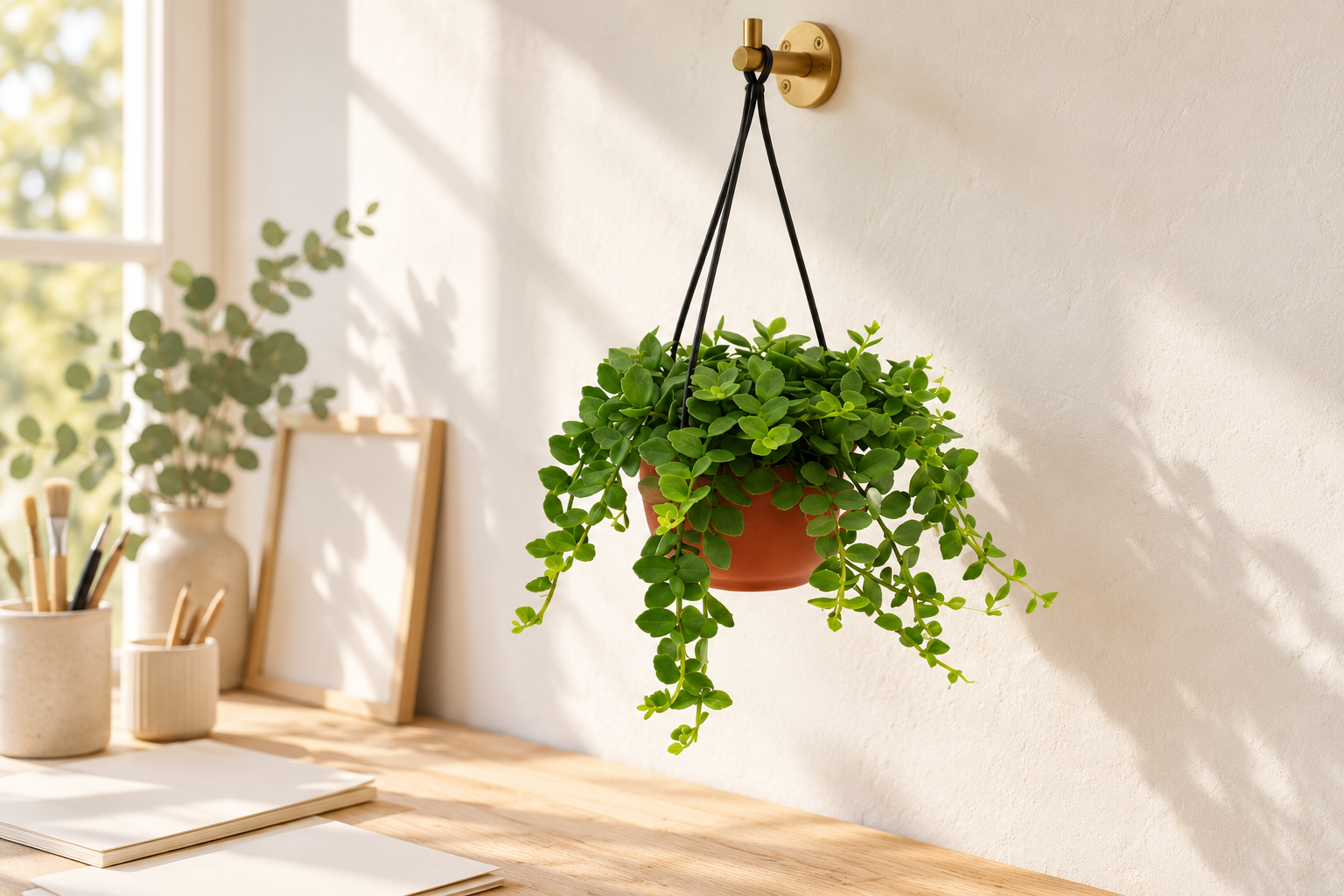
Bell-flowered kalanchoe is a plant for a second look. Small fleshy leaves sit in opposite pairs on branching green stems. Their rounded-elongated shape looks soft, although the foliage can store water. Young branches initially stand more upright; longer parts later fall over the container edge. This creates a loose little companion for a bright workplace or a secure hanging bracket. Leave enough space between plant and wall so branches do not rub constantly. Even without flowers, this kalanchoe shows the form that distinguishes it from ordinary upright potted kalanchoes.
Hanging-pot size says nothing about later length
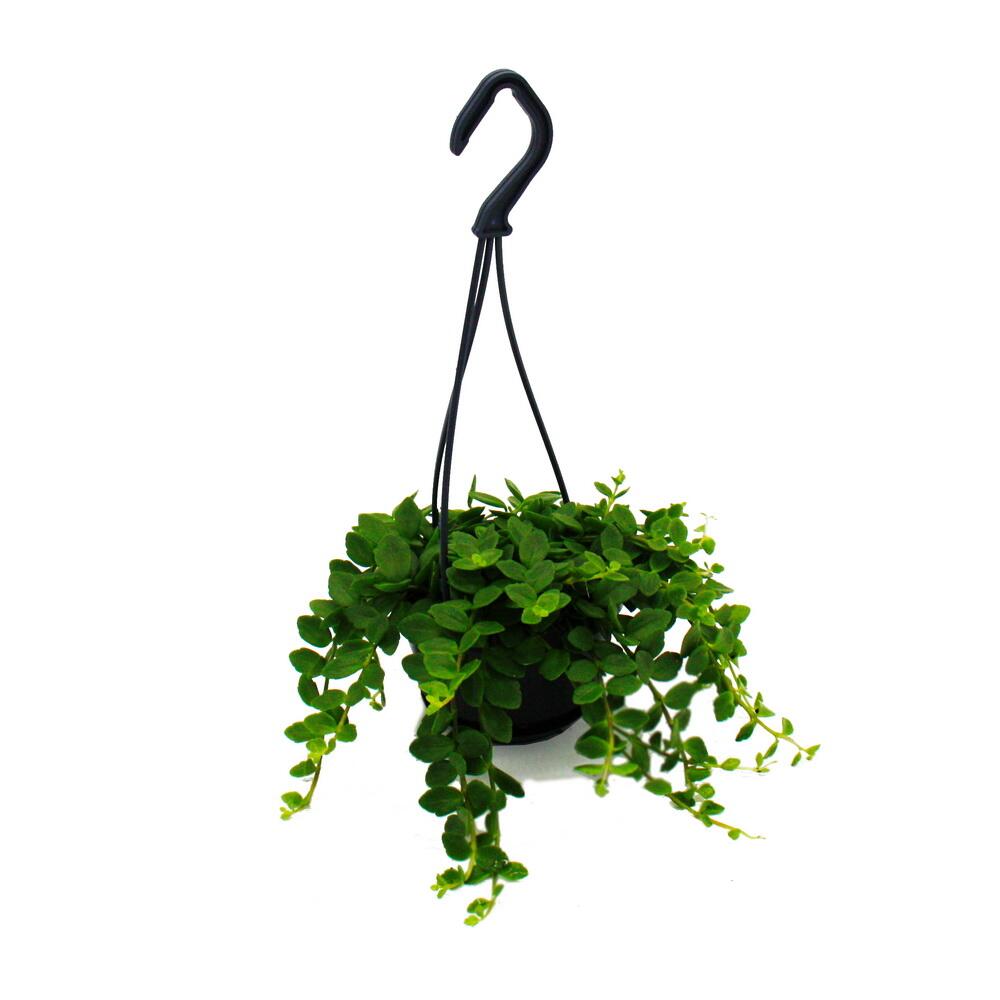
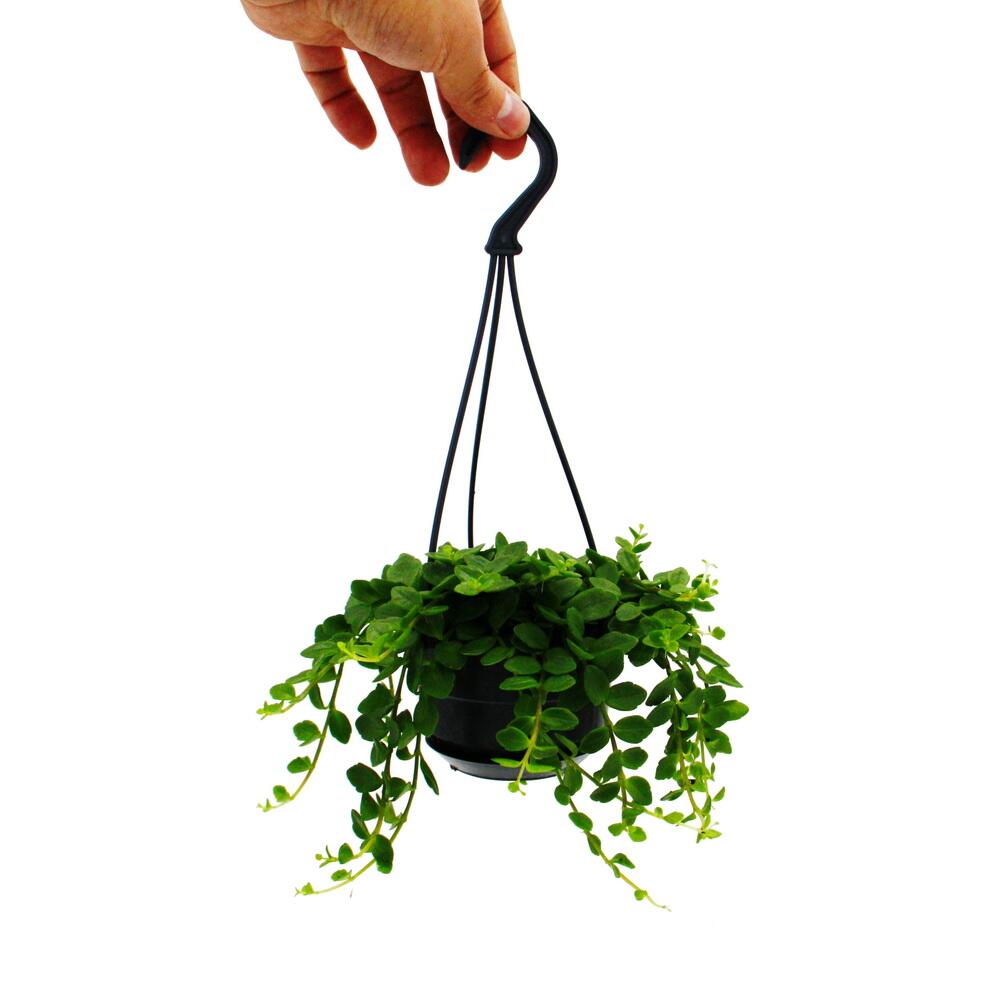
The offer is a Kalanchoe manginii in a 12 cm hanging pot. No specific delivery height is listed; pot diameter is the confirmed measurement. The original photograph shows a green young plant with many short and slightly longer branches. The hanger creates free space below the pot but does not replace a good fixing. Before hanging, check weight, attachment and access for watering. If displayed standing, shoot tips can grow over a free edge. A small current basket needs more side space with time without requiring an enormous new pot.
Bring light to the lower branches
A very bright position with good air movement suits this succulent. Hanging parts should receive daylight just like the upper leaves. A high position directly beneath a deep window reveal can look attractive at the top while remaining too dark below. After unpacking, increase strong sun slowly rather than placing the transport pot immediately against hot glass. New long gaps between leaf pairs may indicate too little light. A bright workplace is suitable only if actual daylight reaches the plant; a desk lamp alone does not turn a dark position into a suitable succulent spot.
Get to know the whole hanging pot for watering
Lift the inner pot and carefully feel the soil between branches. The root ball may dry noticeably between waterings but should not remain permanently neglected. Then water slowly and thoroughly until the roots are supplied, and let all excess drain. A noticeably light pot helps assessment more than a fixed weekly rhythm. If leaves remain soft although the soil is wet, more water is not automatically the solution. First check clear drainage and possible root damage. The basket can be taken down for watering; a secure accessible bracket makes this little care routine much easier.
Maintain pore space and moderate supplies
Choose loose, well-draining succulent substrate. After watering, soil should release moisture again rather than lie as a heavy wet mass beneath the small stems. When roots are dense, give a little more pot room during growth and hold the plant by its root ball instead of pulling branches. Allow for fresh pre-fertilised soil in later feeding. While new growth appears, moderate feeding according to the label is enough. Very soft rapid growth is no reason to feed ever more strongly; check brightness too. Water, light and root space must work together.
View bell flowers as beautiful development
The species can form red bell-shaped flowers on trailing parts. This botanical portrait describes possible development, not the offer’s current flower display. The original plant is pictured green here. Development and cultivation determine whether and when buds form. After actual flowering, dried remains can be removed carefully. Heavy regular shearing is unnecessary; individual troublesome or damaged branches can be selectively shortened. Choose the plant for foliage and shape as well. The hanging pot then remains interesting while you watch new leaf pairs and possible later flowers.
Combine winter rest and a safe position
In winter, grow brightly and frost-free. When new stems grow slowly, water use usually drops too; moisture checks remain necessary. A dry leaf tip requires different consideration from a softening stem base in wet soil. Check between dense foliage for unusual deposits and changes. The ASPCA classifies Kalanchoe species as toxic to cats and dogs. Position the basket so pets cannot reach leaves or fallen plant parts. The decorative plant is not intended for eating. A sheltered accessible position combines beautiful presentation with attentive care.
One plant, several views

Good to know
Does bell-flowered kalanchoe stay just twelve centimetres tall?
Twelve centimetres means pot diameter. No delivery height is stated; branches may extend further later.
Is it already supplied with red bells?
The original offer shows a green plant. The species can develop red bell flowers, but current flowers are not guaranteed here.
How do I find the next watering time?
Check soil and pot weight. After noticeable drying, water thoroughly and let excess drain.
Can it stand on a shelf?
Yes, if plenty of daylight reaches the lower branches and stems can grow over a free edge.
Must I regularly cut it short?
No. Its loose trailing form can remain. Selectively remove damaged or troublesome long branches.
Does it suit a place within my cat’s reach?
No. According to the ASPCA, Kalanchoe species are toxic to cats and dogs. Keep plant and fallen parts out of reach.
Sources and editorial note
- Exotenherz: offer and original images (02.10.2026)
- RHS: Kalanchoe manginii (02.10.2026)
- ASPCA: Kalanchoe species and pets (02.10.2026)
Shop offer, article number, GTIN, availability and original images checked directly on 02.10.2026. Specialist sources read directly. No unsupported delivery height added. Green original plant; possible species flowering explicitly separated from delivery condition. ASPCA entry lists Kalanchoe spp.; direct reading confirms household advice.