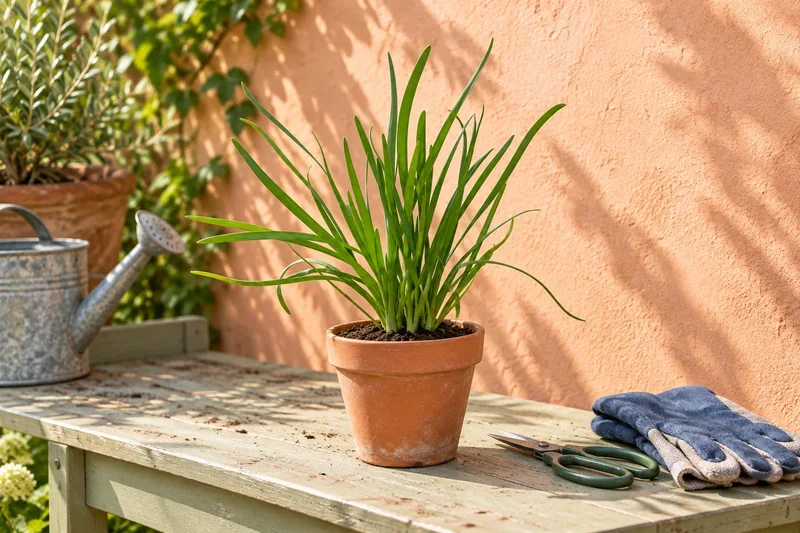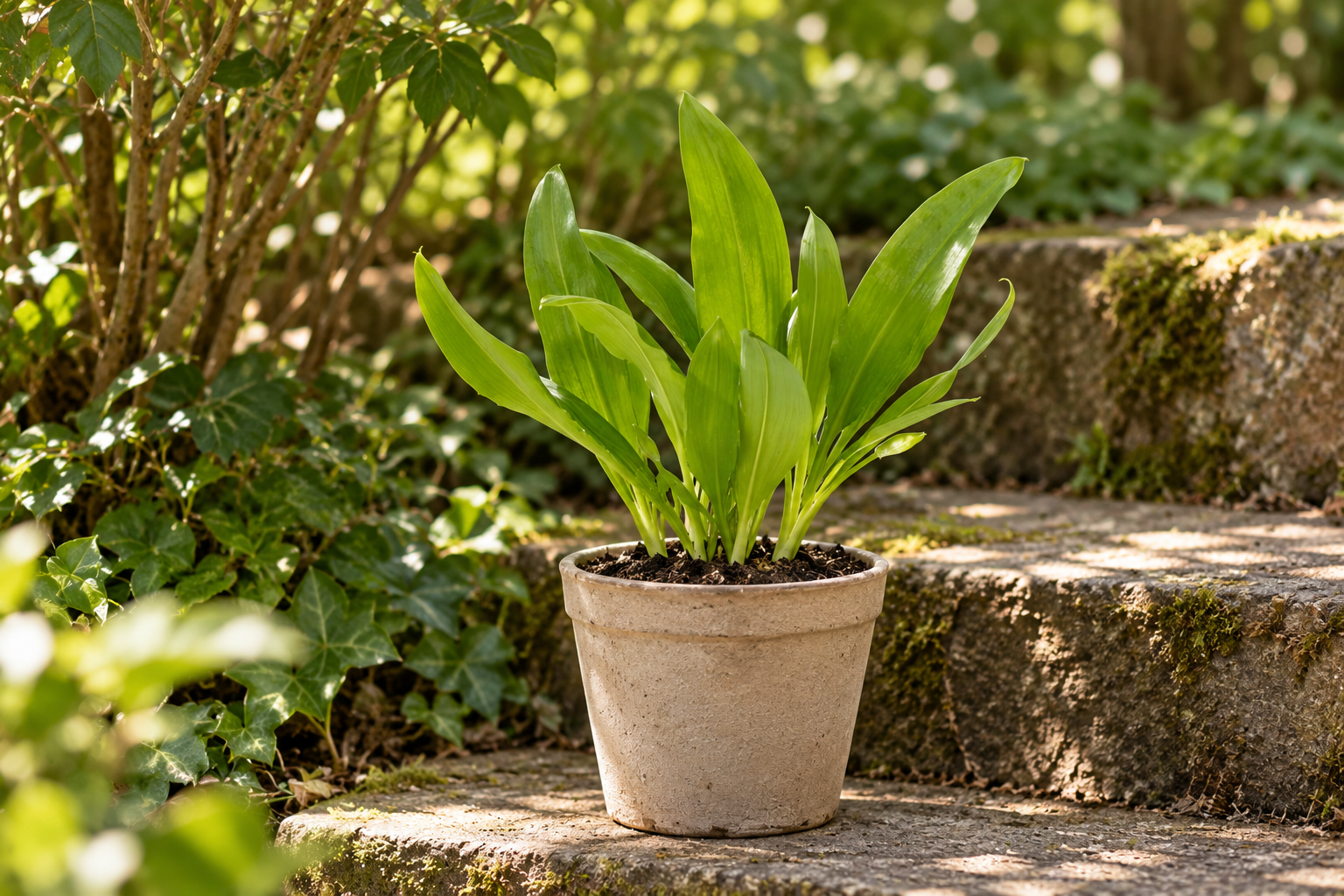
This plant at Exotenherz
Check the shop offer for current availability, price and what is included.
Product and delivery details are given in the individual offer.
Your care table
| Topic | What to do | Why it helps |
|---|---|---|
| Position | Choose light partial shade with humus-rich soil. | Do not place spring leaves against a hot dry wall. |
| Water | Keep reliably moist during growth. | Moist does not mean permanently flooded. |
| Drainage | Keep container holes open. | Air must reach the root ball even in a herb pot. |
| Planting | Set the rooted ball at its previous height. | Do not bury the base unnecessarily. |
| Harvest | Initially take only a few reliably identified leaves. | The young root ball needs remaining foliage. |
| Identification | Do not eat unknown plants when uncertain. | Smell on fingers is not sufficient proof alone. |
| Summer | Mark the position after foliage dies back. | Do not accidentally dig up resting bulbs. |
| Colony | Watch spread and neighbouring plants. | Seeds and bulbs may increase the area. |
Check the compost and pot weight. The care table explains how far the compost may dry.
Water only when needed. The water should reach the root ball without spilling over the rim.
Remove surplus water from the saucer or cachepot. Then return the plant to a suitable position.
The first green belongs to spring
Wild garlic’s broad fresh leaves create a very different herb shape from woody rosemary. They sit on individual stalks and emerge together from the ground. Later, white star-shaped flowers appear in loose umbels. In the leafy range original, green shoots provide the initial appeal. The species is known as a spring herb; its garlic note belongs to the leaf. Nevertheless, this portrait does not replace reliable identification of unknown wild-collected plants or make aroma alone proof of identity.
The herb pot starts a seasonal planting
The offer states a 12 cm pot without a reliably defined delivery height. General species size is therefore not a shipping promise. A young root ball can first be observed in a lightly shaded garden spot. Inspect the place after rain before planting. Beneath woody plants, spring sunshine and later leaf shade may combine well. Keep the planting clearly labelled. Similar-looking poisonous plants immediately next to it should not make the later harvesting area confusing. A small label is more useful here than a heavily decorated herb corner.
Woodland moisture does not mean standing water
Humus-rich, reliably moist yet permeable soil suits wild garlic. Light partial shade prevents the spring root ball drying immediately against a hot wall. Set a rooted plant at its previous height and settle soil gently. Keep container holes open. Water may supply soil without permanently flooding the pot in a closed cover. Allow enough space for later spread. A manageable initial planting can change markedly over years.
Harvesting leaves enough leaf area for the young plant
Initially take only a few clearly recognisable leaves from your own confidently identified planting. A clean cut preserves other leaf stalks and the base. Do not strip a young root ball completely bare. Wash the harvest and keep it separate from unknown collected material. The BfR warns about poisonous lookalikes such as lily of the valley and autumn crocus. Garlic smell on already rubbed fingers alone is insufficient to identify further leaves. If uncertain, do not eat an unknown plant.
Foliage disappears in summer, not necessarily the plant
Wild garlic dies back in summer after its spring phase. An apparently empty place is therefore not immediately dug over or treated with extra watering. Mark the planting before the last leaf disappears. Other plants may later occupy the space visually as long as resting bulbs are not constantly injured. Record shoots, flowering and dieback with dates in the plant book. These three pictures explain seasonal development better than a year-round photograph with evergreen foliage.
Keep an expanding colony clear
The hardy species may form larger colonies through bulbs and seeds. Watch how far your own area spreads and keep paths or neighbouring plantings accessible. A pot limits space but still requires appropriate supplies during growth. Reliably identify and label new offsets. Over years, a healthy well-known colony matters more than the largest possible one-off harvest. Spring greenery, white flowers and summer dormancy together form the plant’s character.
One plant, several views

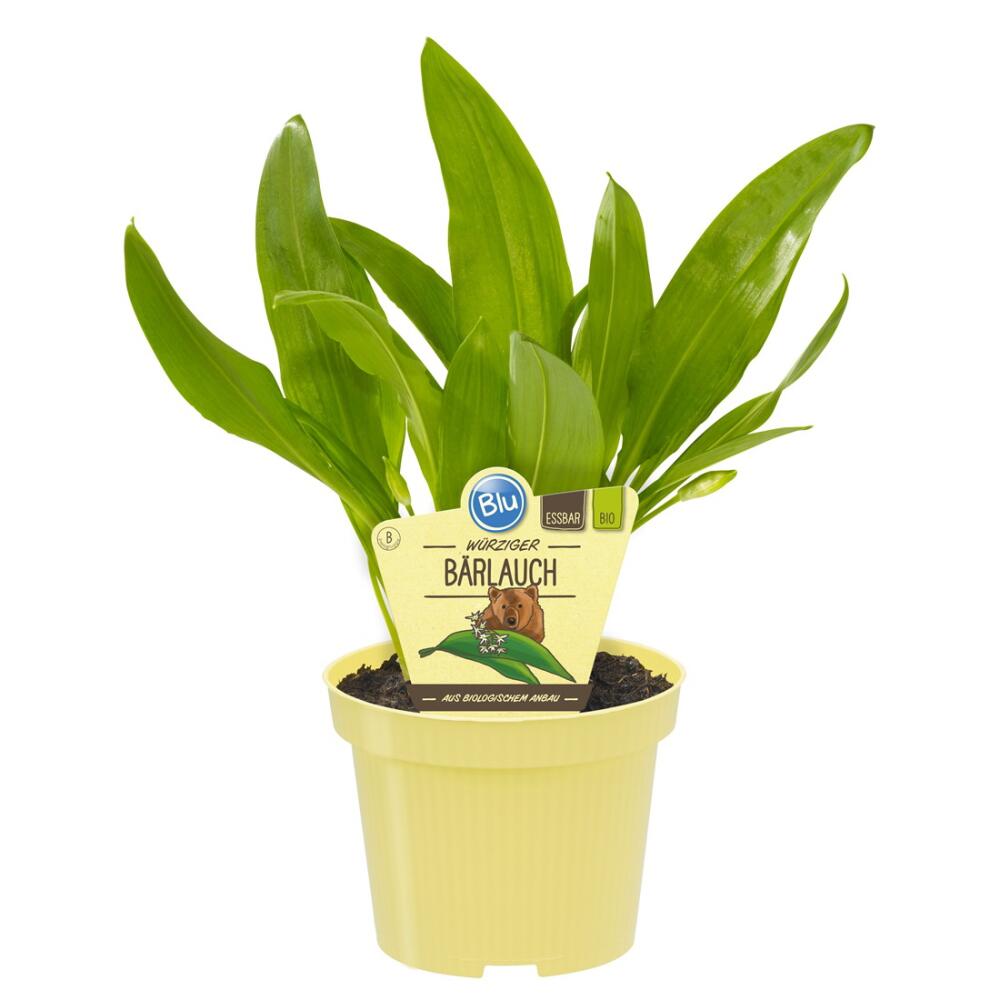
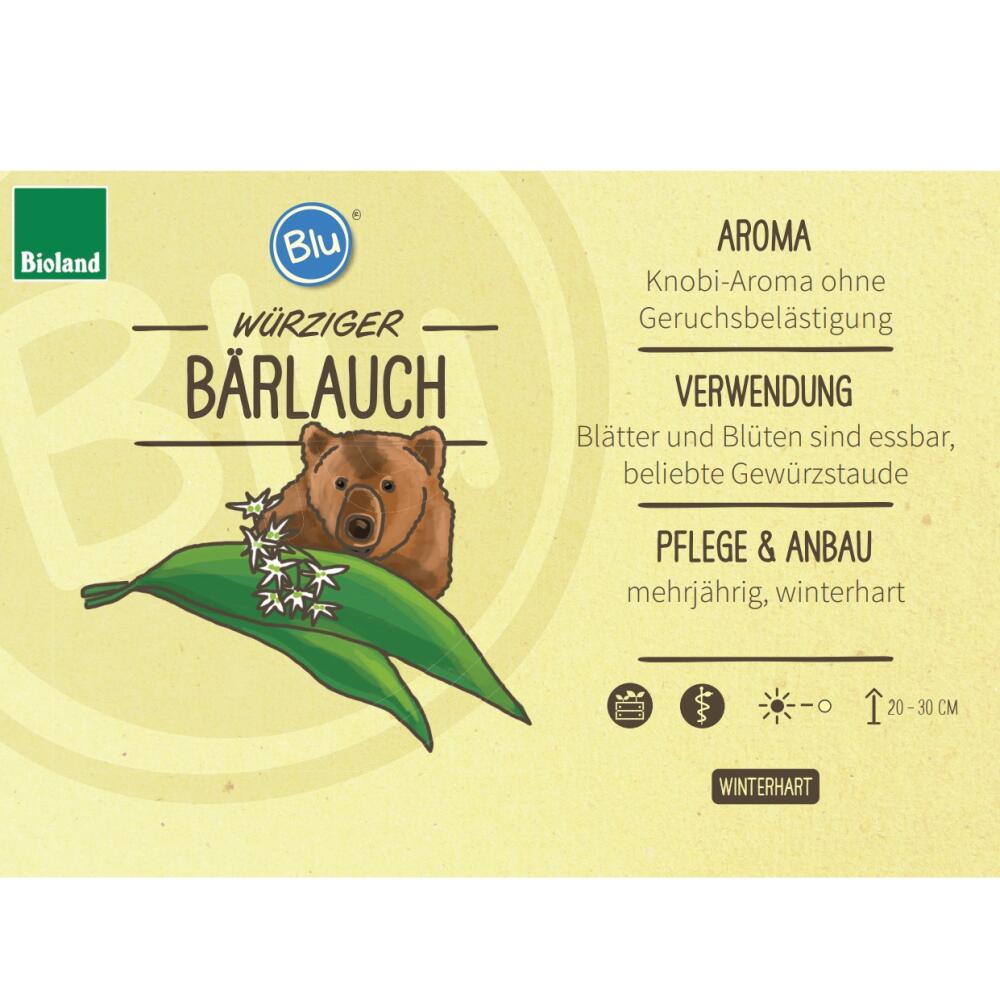
Good to know
Does wild garlic stay green all summer?
No. The species dies back in summer after its spring phase.
Is a delivery height specified?
The 12 cm pot is stated here; no definite delivery height is added.
Should I immediately water more when it dies back?
No. Judge season and soil moisture together; do not confuse summer dormancy with drought stress.
Is garlic smell enough for safe identification?
No. Smell on fingers in particular can mislead; do not eat unknown plants if uncertain.
Can the colony grow larger?
Yes. Wild garlic can cover larger areas through seeds and bulbs.
Sources and editorial note
- Exotenherz – offer and original pictures, 03.10.2026
- RHS – Allium ursinum spring phase and position, 03.10.2026
- BfR – confusion with poisonous wild-garlic lookalikes, 03.10.2026
Shop offer, article number, GTIN, availability and original pictures checked directly on 02.10.2026; specialist acceptance on 03.10.2026. Specialist sources read directly. SKU, pot reference, original photos and orderability checked in the shop on 03.10.2026. Delivery height and species development separated. Specialist sources actually read; six individual sections, eight care points and five FAQs editorially compared. Currently not orderable: knowledge portrait without purchase link or social dispatch approval. No tool, Wawi or server changes. Currently not orderable: portrait without purchase link; social drafts not approved for dispatch.