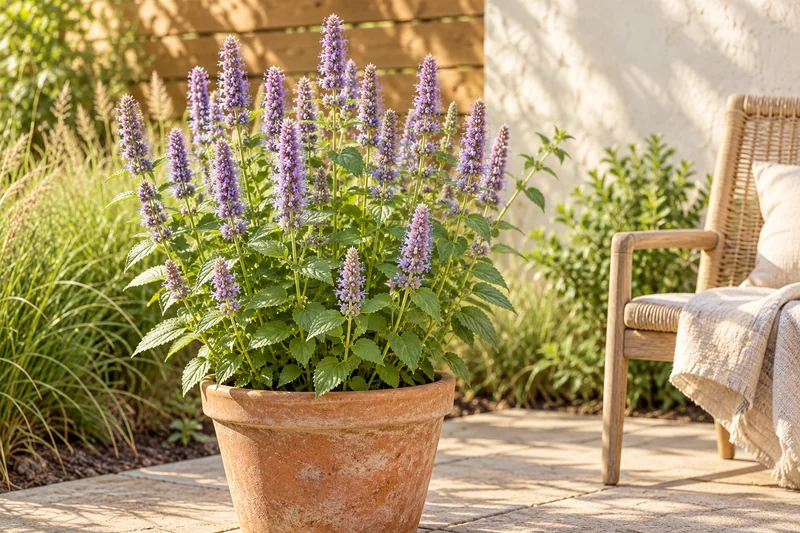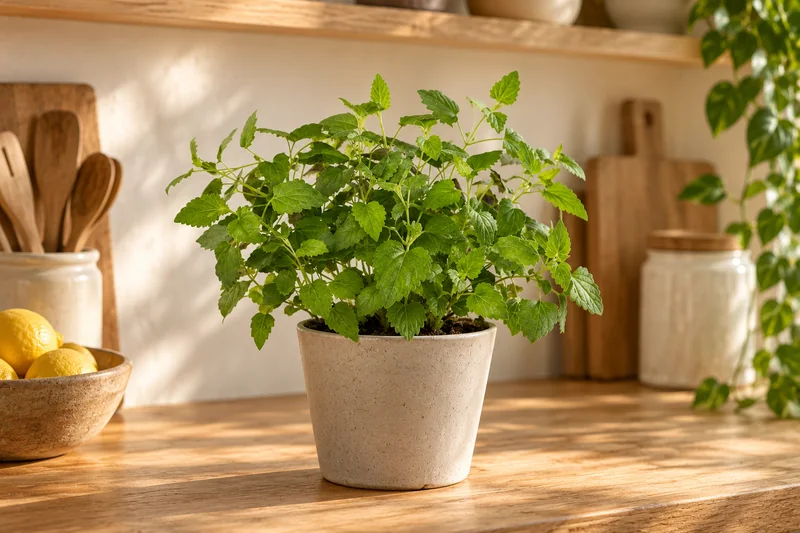
This plant at Exotenherz
Check the shop offer for current availability, price and what is included.
Check the shop for the current price, availability and offer contents.
Your care table
| Topic | What to do | Why it helps |
|---|---|---|
| Position | Choose a sunny, preferably sheltered garden position. | Upright summer flowers need light and a favourable starting point for the cold season. |
| Soil | Prepare a free-draining root zone without winter waterlogging. | Cold combined with wet soil can particularly harm Black Adder. |
| Planting | Preferably plant in spring at the previous root-ball level and water in. | The young perennial has time to establish before the cold season. |
| Watering | Check new root balls regularly and water thoroughly when soil is dry. | Established plants’ drought tolerance is not a feature of the small delivery root ball. |
| Feeding | Match nutrients moderately to soil, and follow the label in containers. | Heavy additions compensate for neither low light nor poor drainage. |
| Flower care | Remove spent tips if desired and preserve healthy foliage. | Further flowers may be supported without promising a fixed repeat-flowering date. |
| Winter | Check drainage, protect roots from persistent wetness and shelter containers outdoors. | A blanket overwintering guarantee does not suit this warmth-loving garden hybrid. |
| Spring pruning | Postpone full cutting back until spring and protect new basal shoots. | Remaining stems protect the base; they may be shortened beforehand if threatened by wind damage. |
For young plants, feel the soil directly at the root ball. The surface and deeper soil may have different moisture levels.
Water thoroughly after planting; later, water according to the soil, weather and establishment rather than a fixed calendar.
Avoid standing water. For plants in containers, also check that water runs out of the drainage hole.
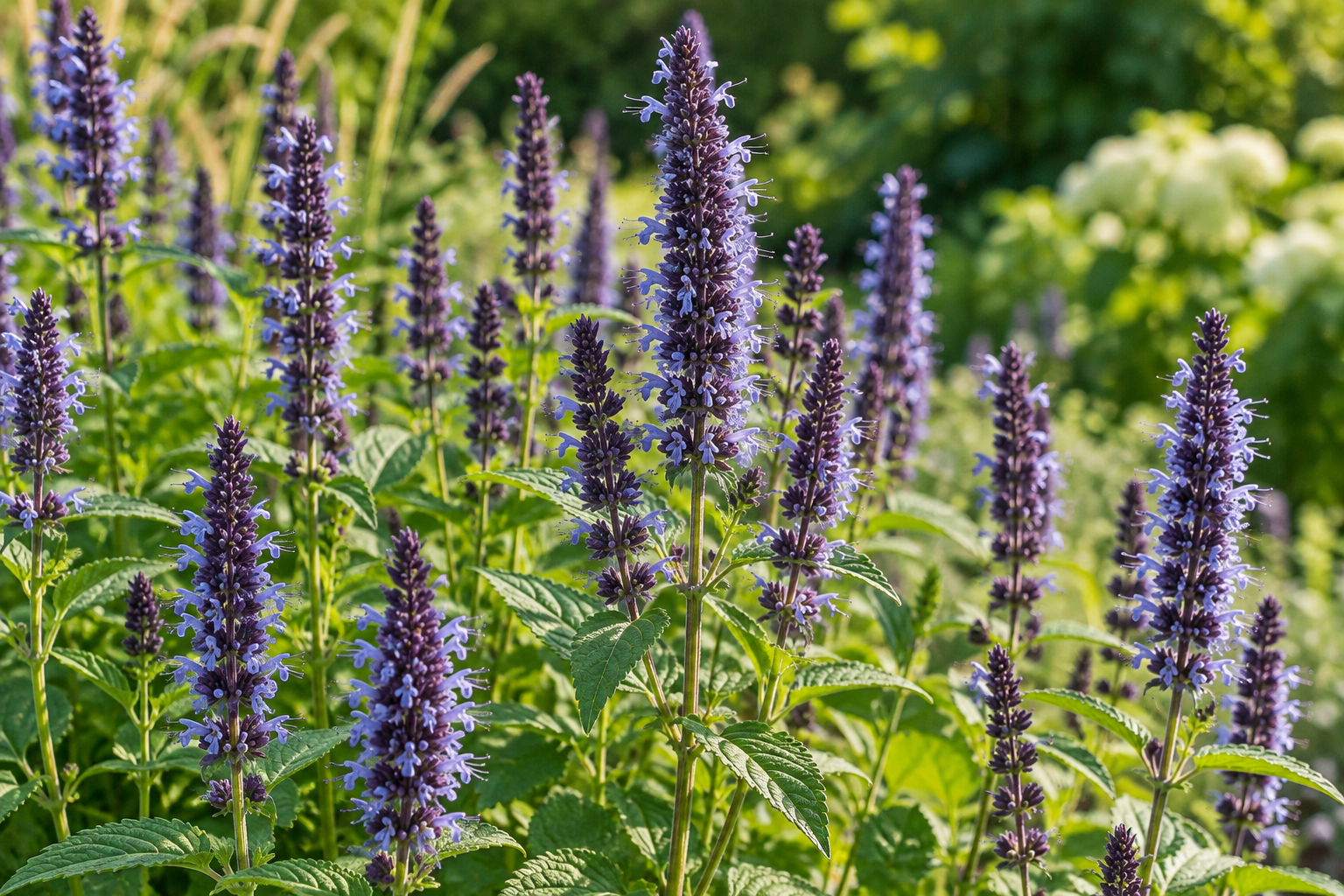
Dark buds make the flower colour particularly clear
Black Adder bears upright narrow flower spikes. Very dark buds and calyces provide a background for many small violet-blue to smoky reddish-purple lipped flowers. The shape stays slender; it is not a large round flower ball. Among finer grasses and loosely branching neighbouring perennials, it creates a clear vertical line. Below the flowers are green pointed toothed leaves whose aromatic fragrance may be noticed on touching. That fragrance is a garden feature, not a recommendation for medicinal or culinary uses. Flowering extends from summer into autumn; RHS states July to October, though weather and development stage can alter its course.
A garden hybrid under a familiar shop name
The shop calls the offer Agastache rugosa Black Adder. The RHS profile lists it as Agastache ‘Blackadder’, and Missouri Botanical Garden describes a hybrid of Agastache rugosum and Agastache foeniculum. It is therefore classified here as Agastache ‘Black Adder’, without adopting unconfirmed pure rugosa. Blackadder and Black Adder are spellings of the same known garden cultivar. This classification helps read different descriptions together correctly. Black Adder is a herbaceous deciduous garden perennial with upright growth. Being perennial, however, does not mean it reliably survives every winter in every German garden position. Drainage and position are crucial.
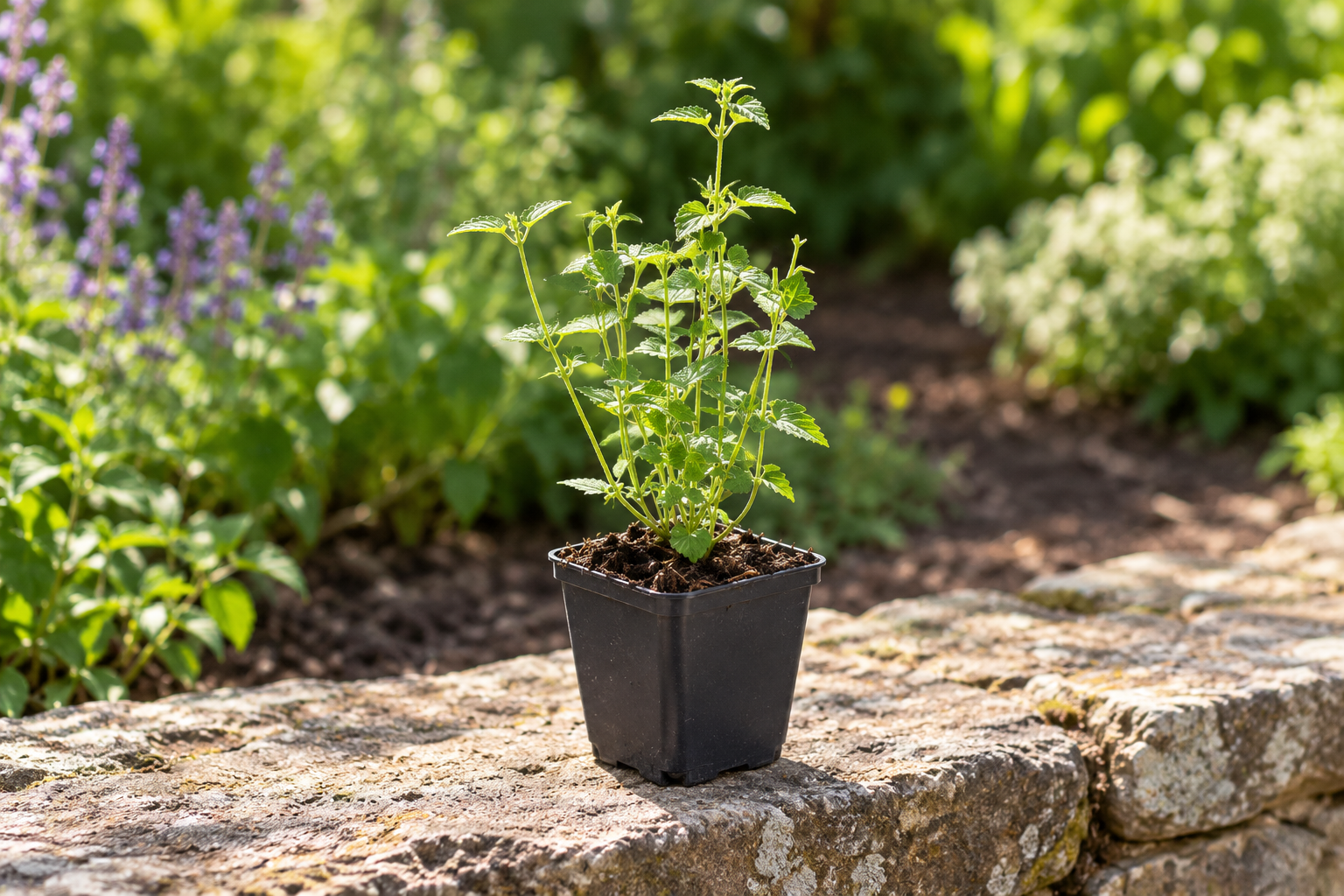
The young plant has no flower spikes yet
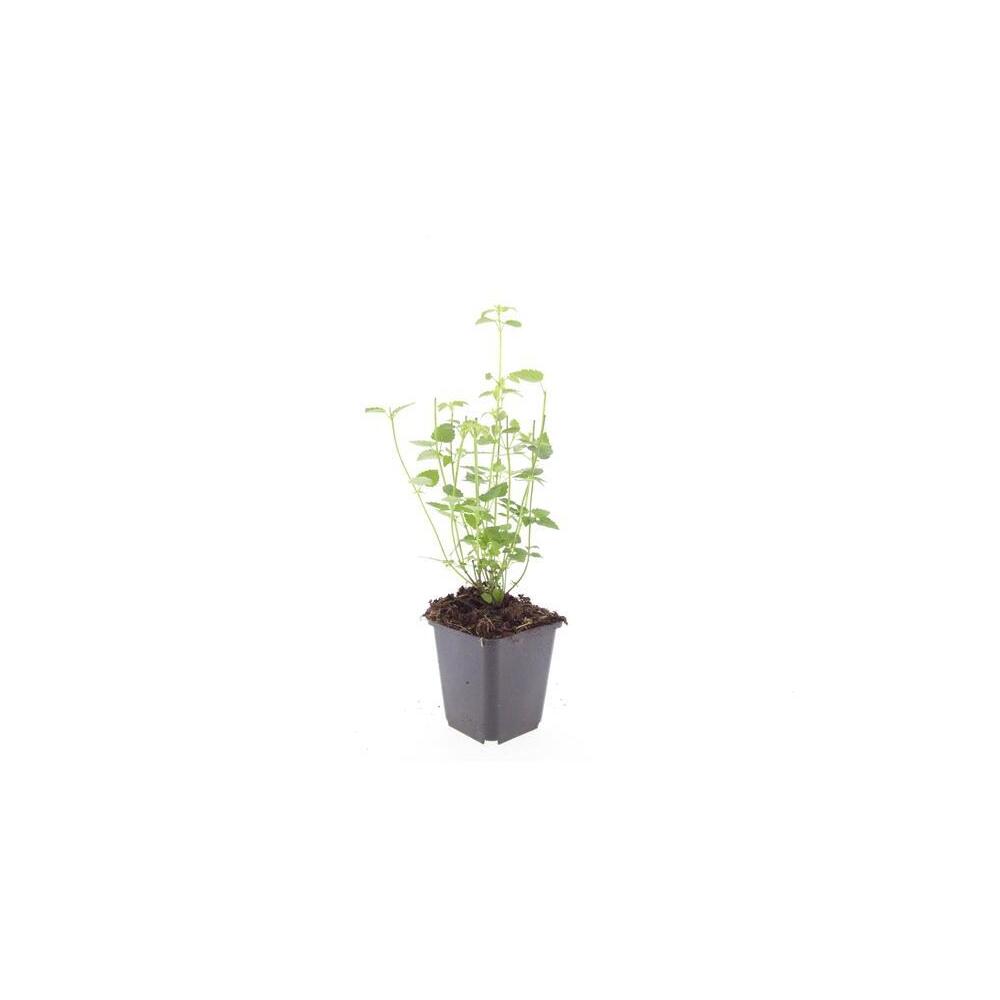
The unchanged original image shows a few loosely arranged green stems with toothed leaves and no open flower spike. Sets in 9 cm pots are offered at approximately 10–25 cm total height including the container. The larger garden display develops later. The shop gives about 50–70 cm height guidance; specialist profiles describe approximately 60–100 cm or a broader height class. Allow room above and beside the young plant if growth is vigorous. A fixed maximum height cannot be guaranteed. The offer suggests about 50 cm spacing. The later group should retain air around it rather than be immediately covered by spreading neighbours.
A sunny position with drainage beneath the root ball
Sun and a garden position as sheltered as possible are favourable. Soil may be fertile but must reliably release excess water. Particularly in winter, cold combined with a wet root zone can become a problem. Observe the area after rain before planting. A heavy depression that stays saturated is unsuitable even if the surface is sunny. Prepare the root area as a whole; a small loose pocket in dense soil may collect water. In difficult conditions, a suitable large container with free drainage is an alternative. It too must not develop a permanently wet zone beneath the perennial.
Plant in spring and support establishment
Spring after harder frosts is a favourable start for young Black Adder when soil is workable and not waterlogged. Moisten the root ball before removing the pot and plant at its previous level. Firm the surrounding soil and water thoroughly. Then check directly at the small root ball, especially on warm dry days. Roots first need to spread beyond the old pot space. Established agastache handles temporary dryness better, while a newly planted set specimen initially needs support. Water at the base as required and let the soil take in air again. Check containers more frequently because restricted root space holds fewer reserves.
Care for summer flowers with a light touch
During summer, spent tips can be removed if you want the group to look tidy. This may support further flowers but does not create a fixed second flowering date. Preserve healthy green leaves and provide appropriately checked water after pruning. Match nutrients moderately to actual demand. Heavy fertiliser does not help if the site is too dark or the root ball permanently wet. Vegetative methods make sense for preserving the named cultivar; RHS describes it as sterile and mentions division or cuttings. Random seed sowing is therefore not a reliable route to new identical Black Adder plants.
Winter is decided at the base
Before the cold season, check drainage and stability once more. Remaining stems may protect the base; if wind moves them strongly, they can be shortened beforehand. Preferably postpone full cutting back until spring, protecting fresh basal shoots then. Choose a sheltered outdoor position for containers and ensure rainwater can drain. British specialist hardiness ratings are not a blanket guarantee for every position. Loss remains possible in cold wet locations. Assess the base patiently in spring. The right combination of sun, establishment time and good winter drainage matters more than a label suggesting a perennial is safe everywhere.
One plant, several views
Good to know
Is Black Adder pure Agastache rugosa?
The shop uses rugosa, while specialist sources list Agastache Blackadder as a garden hybrid. Pure species assignment therefore remains explicitly unconfirmed here.
Are Blackadder and Black Adder identical?
These spellings refer to the same known garden hybrid in the profiles read. They do not create a second plant identity.
Is the delivery plant already flowering?
The original photograph used shows a young plant without flower spikes. The detail picture describes later summer flowering.
How tall will it grow?
The shop states about 50–70 cm. Specialist profiles describe approximately 60–100 cm; vigorous garden growth may exceed shop guidance.
Does the young plant tolerate drought?
The small delivery root ball must establish first. Check at the root ball in dry weather and water thoroughly; older plants’ tolerance does not yet apply.
Is Black Adder hardy everywhere?
No, cold wet soil may cause loss. Sun, shelter and very good winter drainage matter; containers need extra attention.
When should it be cut back?
Preferably cut back fully in spring, protecting new basal shoots. Wind-moved stems may be shortened earlier.
Can I preserve the cultivar from seed?
RHS describes it as sterile. Division or suitable cuttings preserve the named cultivar better than unconfirmed seed propagation.
Sources and editorial note
- Exotenherz: offer and original photographs (03/10/2026)
- RHS: Blackadder, flowers, cultivation and overwintering (03/10/2026)
- Missouri Botanical Garden: Black Adder as a garden hybrid (03/10/2026)
- RHS: Agastache in the garden (03/10/2026)
- Exotenherz: directly orderable set of 6, own SKU/GTIN (03/10/2026)
- Exotenherz: directly orderable set of 12, own SKU/GTIN (03/10/2026)
- Exotenherz: directly orderable set of 60, own SKU/GTIN (03/10/2026)
Shop offer, article number, GTIN, availability and original images checked directly on 03/10/2026. Specialist sources read directly. Missouri read directly via the Web; download TLS error documented. Hybrid classification rather than unconfirmed pure rugosa. Cold/winter wetness limitations; sterile cultivar, no seed propagation promise. Gallery 2 young and flowerless.