This plant at Exotenherz
Check the shop offer for current availability, price and what is included.
Check the shop for the price, current availability and what is included.
Your care table
| Topic | What to do | Why it helps |
|---|---|---|
| Light | Very bright; acclimatise gradually to direct sunshine. | Unprepared young surfaces can scorch. |
| Water | During growth, water only after complete drying. | The small column stores water. |
| Pot | Use a container with free drainage. | Standing water increases the risk of rot. |
| Soil | Supplement cactus compost with mineral, structurally stable material. | Roots need air again quickly after watering. |
| Winter | Bright and frost-free; keep dry in cool dormancy. | Summer watering does not suit the rest period. |
| Fertiliser | Feed only during growth, sparingly according to the label. | A miniature pot needs no large nutrient amounts. |
| Checks | Inspect stem base and spine bases regularly. | Recognise mealybugs and soft areas early. |
| Handling | Repot with suitable aids, not by grasping spines. | Even a small cactus can injure. |
Check the compost and pot weight. The care table explains how far the compost may dry.
Water only when needed. The water should reach the root ball without spilling over the rim.
Remove surplus water from the saucer or cachepot. Then return the plant to a suitable position.
A big name for a very small beginning
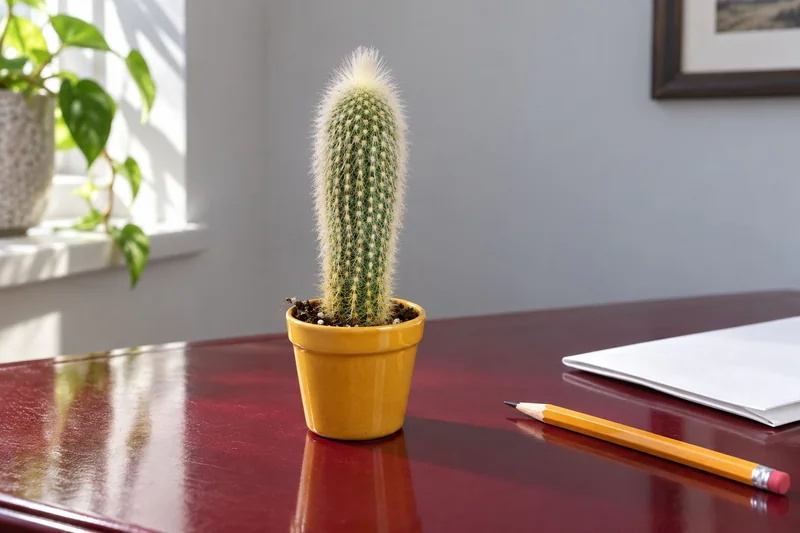
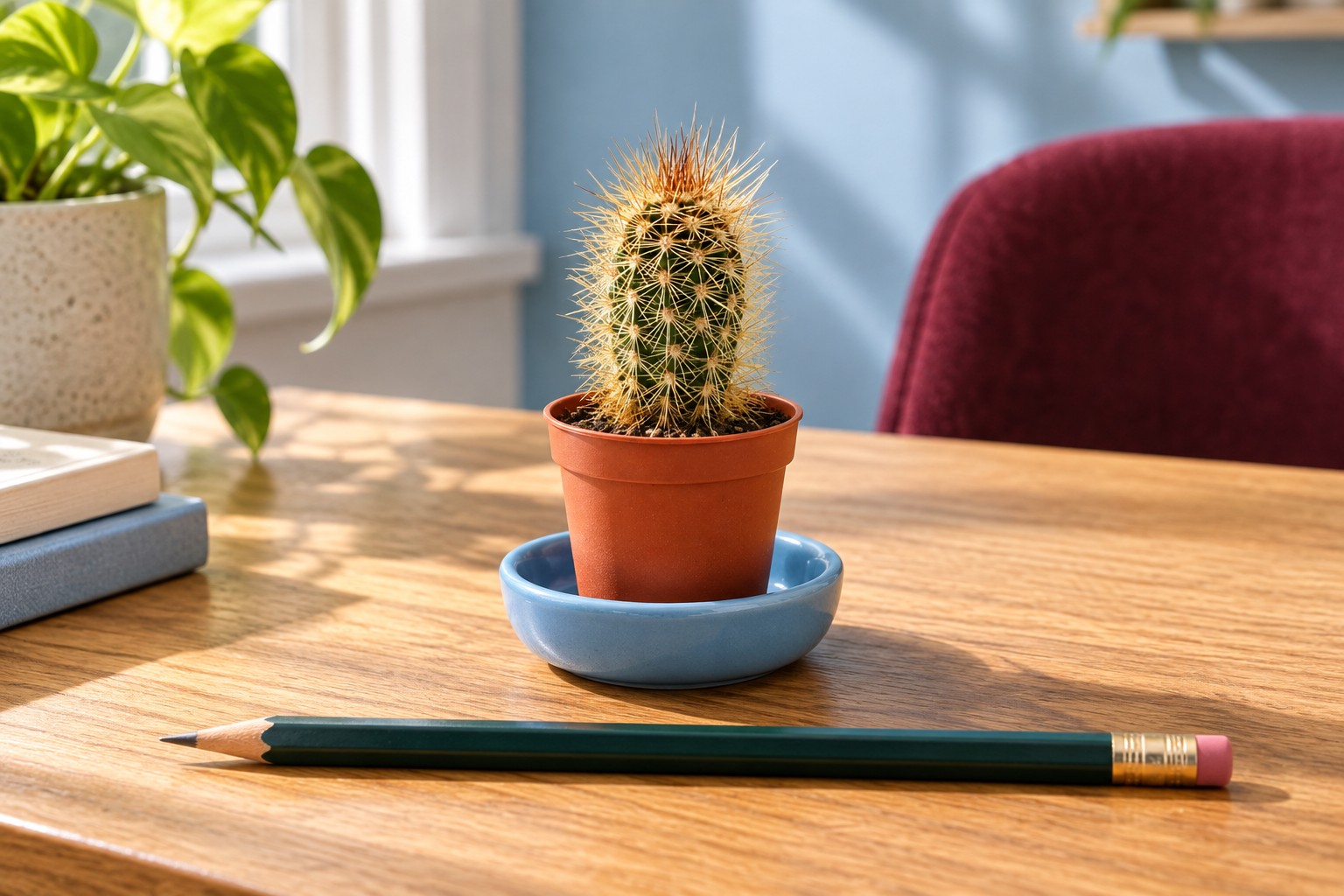
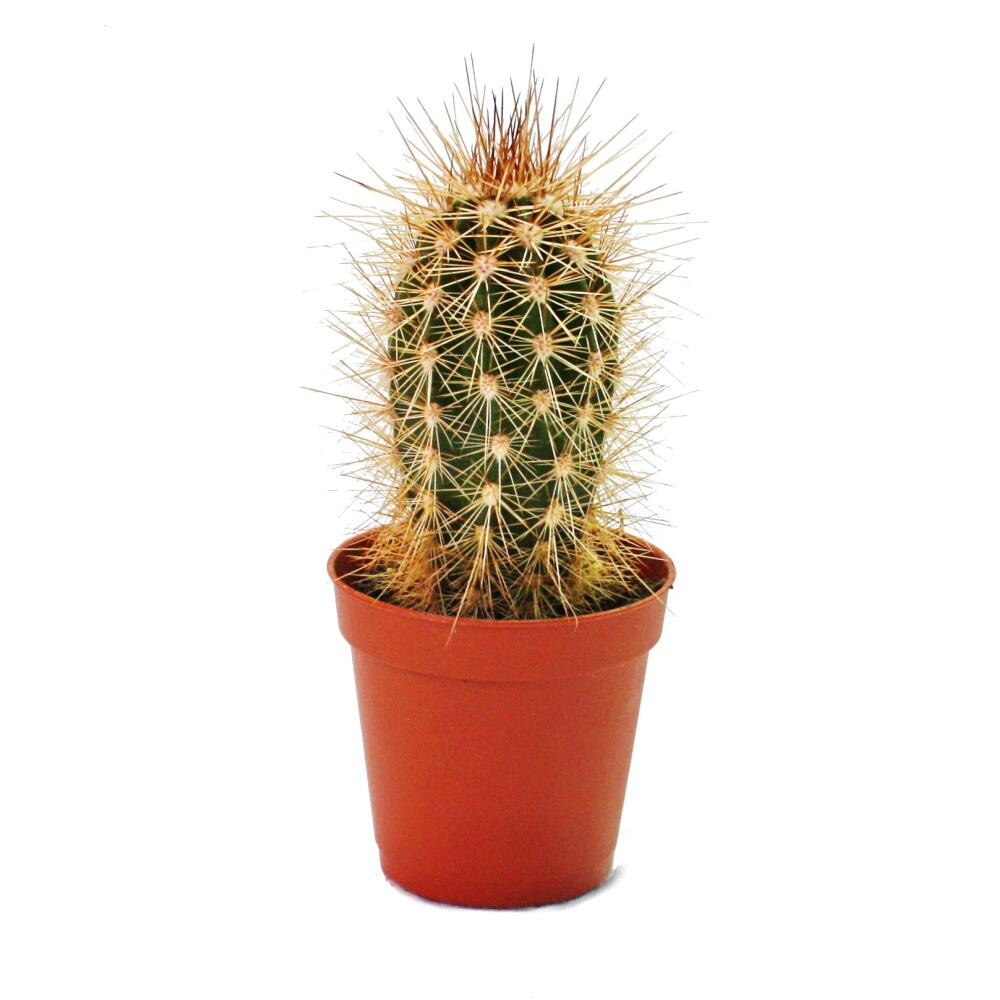
Pachycereus pringlei belongs to the impressive columnar cacti of north-western Mexico. Old specimens can reach tree-like dimensions under suitable natural conditions. In the small pot, however, a young plant stands at the beginning of that development. Its ribbed green body and closely arranged spines are already easy to see. The correct botanical spelling is pringlei; the shop says pringley. The South American origin also given there is corrected to Mexico through the botanical identification.
Do not confuse delivery size with natural habitat
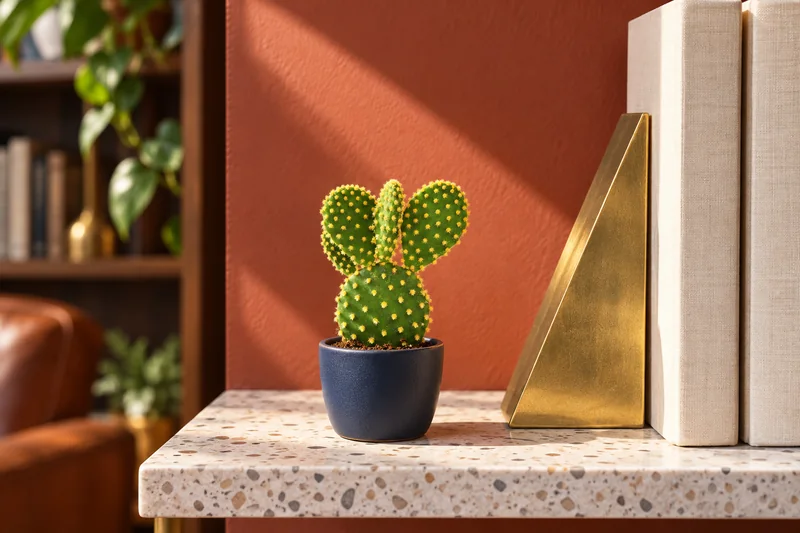
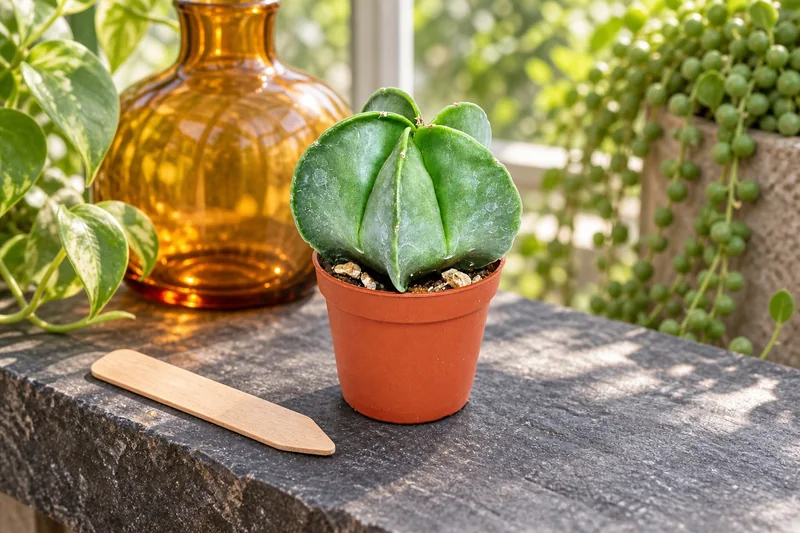
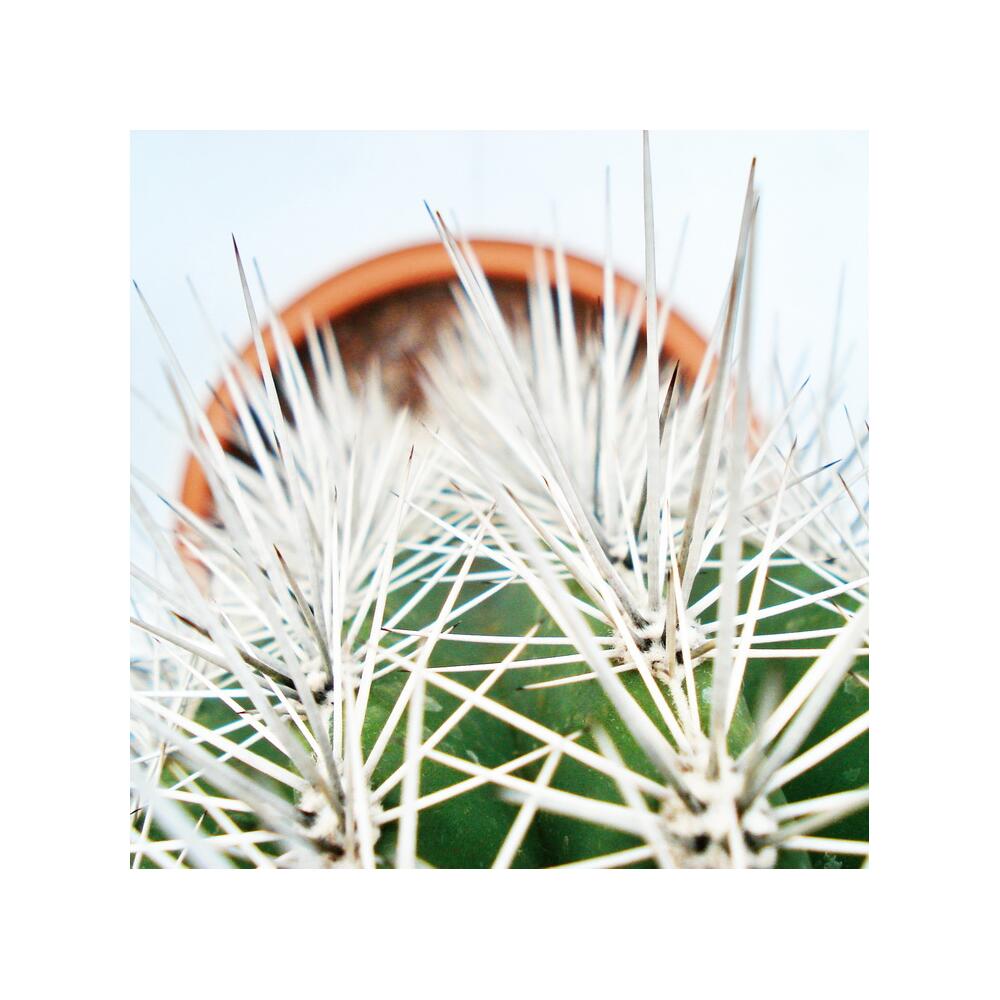
The pot measures 5.5 cm. For overall height, the shop gives 6 to 8 cm in one place and 8 to 10 cm in another; we therefore openly present that range as approximately 6 to 10 cm. The scene shows a suitably small cactus rather than an already large desert tree. A bright desk or small plant shelf close to a good light source may suit it. A safe position away from frequently used hand paths is important. The fine spines do not make the miniature cactus a toy.
The young column needs plenty of light
A sunny position is appropriate after acclimatisation. Nevertheless, do not place a freshly unpacked plant abruptly in the hottest midday sun behind glass. Begin with gentler light and increase sunshine time gradually. A rain-sheltered outdoor stay is possible in good summer temperatures. In winter the cactus stays bright and frost-free, for example at 10 to 15 °C. Elongated conspicuously pale new growth in a dark winter room is not a desirable growth success, but a reason to check light and temperature together.
The small pot dries differently from a large tub
In warm growth, a completely dried root ball may receive a thorough watering again. Excess must then drain. Small pots can become dry quickly but can also remain wet for a long time in a confined damp outer pot. There is therefore no fixed weekly watering appointment. Check weight and, if needed, moisture inside. In genuine cool dormancy, do not continue watering as in summer. A warm very bright position can cause different demand; plant condition and actual consumption remain decisive.
Repot securely and feed sparingly
Cactus compost with additional mineral structural material supports drainage. Repotting becomes necessary when the root ball is densely rooted or the column grows unstable. A pot only slightly larger with an open hole is easier to manage than a large reserve tub. Use a suitable folded-paper collar or another gentle aid rather than grasping spines by hand. After damage, let roots dry first. Fertilise sparingly during active growth according to the label and stop during dormancy.
Patience is part of cultivation
Flowers form only on mature plants and are not a short-term expectation with the small offer. Branching need not begin soon either. Do not cut a healthy young plant simply to accelerate growth. Propagation by seed is possible and requires clean controlled raising conditions. When regularly looking at the plant, also inspect the stem base and spine bases: mealybugs can hide there. Firm dry age-related corking must be judged differently from a spreading soft dark area associated with a damp root ball.
One plant, several views
Good to know
Does Pachycereus pringlei come from South America?
No. The species originates in north-western Mexico.
How large is the little shop cactus?
The pot measures 5.5 cm. Overall-height figures differ and together span approximately 6 to 10 cm.
Will it quickly reach twelve metres indoors?
No. Natural-habitat sizes of old plants are not forecasts of speed or ultimate size for a houseplant.
Will the young plant flower soon?
You should not expect that. Flowers belong to the later development of mature specimens.
Sources and editorial note
- Product and delivery contents: Exotenherz
- Royal Horticultural Society: plant and care information
- Royal Horticultural Society: plant and care information
Sources checked: 15 September 2026. Product information and the contents of delivery follow the linked shop offer. Care advice was checked against the cited specialist sources and should still be adapted to the plant’s condition, position and season.