This plant at Exotenherz
Check the shop offer for current availability, price and what is included.
Check the shop for the current price, availability and offer contents.
Your care table
| Topic | What to do | Why it helps |
|---|---|---|
| Position | Place brightly with filtered light, protected from hot midday sun. | Little leaflets need daylight but should not overheat behind glass. |
| Water | After the surface dries somewhat, supply the rootball evenly. | Roots tolerate neither repeated complete drying nor lasting saturation. |
| Drainage | Use a nursery pot with open holes and empty remaining water. | Even this moisture-loving fern needs oxygen around roots. |
| Soil | Choose humus-rich slightly acidic well-drained substrate. | Moisture is retained without constantly wet frond bases. |
| Air humidity | Choose a sheltered indoor spot without direct heater proximity. | Pellaea needs no tropical display cabinet, though hot dry air can still strain it. |
| Repotting | During growth, give only a little more space when clearly rooted. | A little fern cannot immediately use an enormous wet pot. |
| Feeding | Feed sparingly during growth according to a suitable label. | A small fern rootball needs no concentrated continuous feeding. |
| Frond care | Remove only dead fronds and protect young curled tips. | Young fronds unfold from the base, replacing damaged foliage. |
Check the compost and pot weight. The care table explains how far the compost may dry.
Water only when needed. The water should reach the root ball without spilling over the rim.
Remove surplus water from the saucer or cachepot. Then return the plant to a suitable position.
A fern made of little buttons
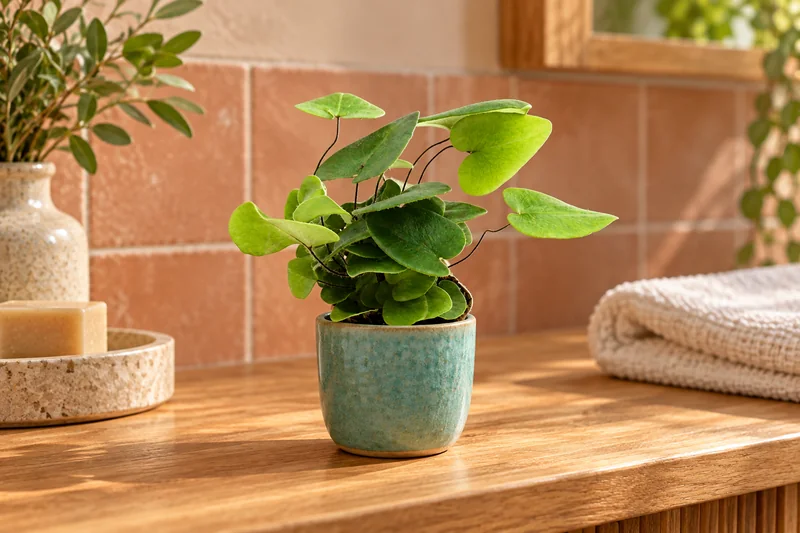
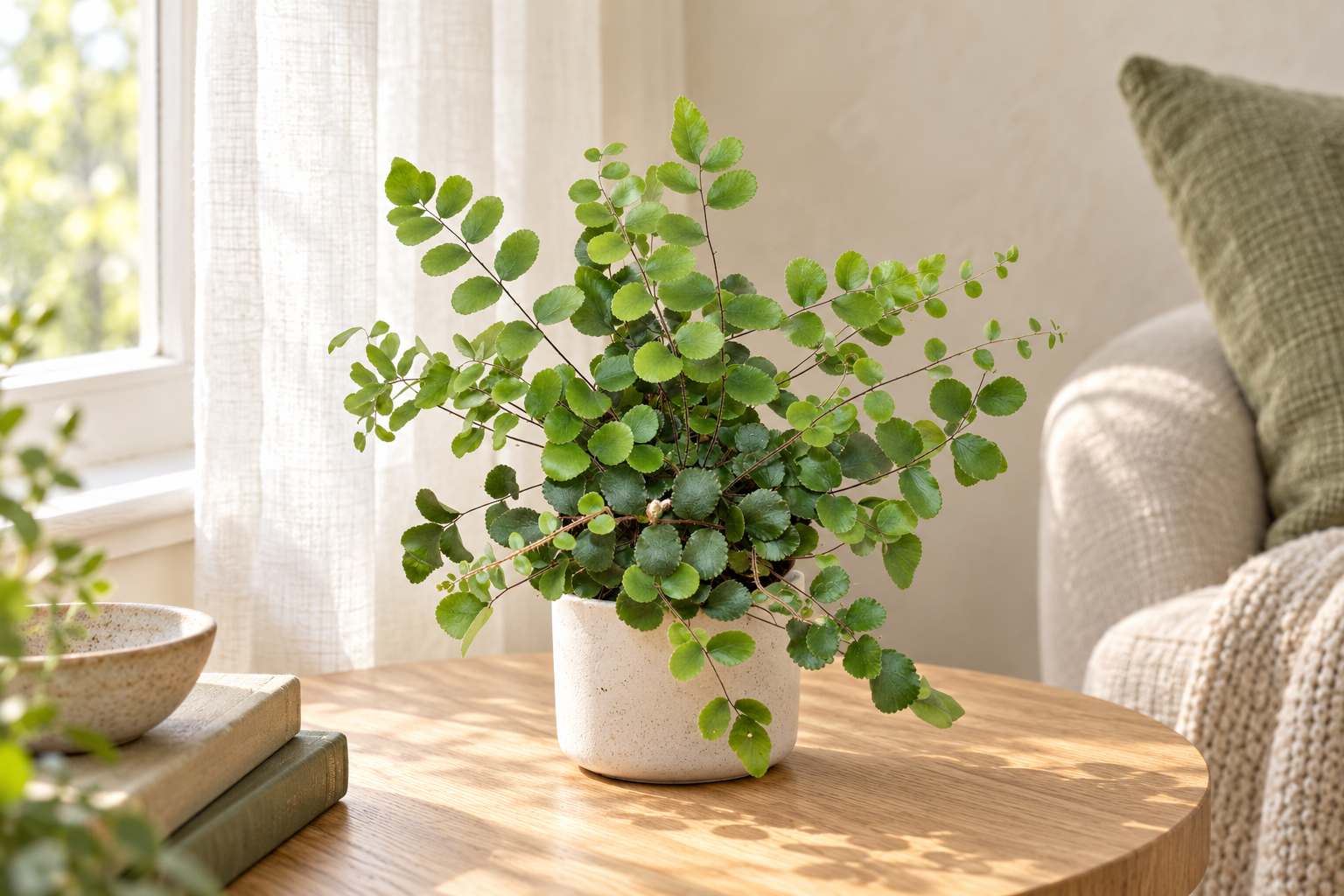
Button fern rewards a view from above. Small round green leaflets sit in loose rows along fine dark frond axes. Individual fronds initially rise a little then arch out and may extend over the pot edge. This forms a low living tuft easily admired on a little side table. Leaflets look firmer than the delicate divisions of many other indoor ferns. They still belong to real fronds, not woody branches. Leave young curled tips undisturbed until they unfold. In time the dark axes become more visible among fresh green.
Pellaea and Hemionitis mean the same plant here
The shop calls the plant Pellaea rotundifolia. Kew and North Carolina Extension now list the same species as Hemionitis rotundifolia; the RHS garden profile still uses familiar Pellaea. Both names belong to this portrait. Button fern comes from New Zealand including the Chatham Islands and belongs to Pteridaceae. It bears neither flowers nor seeds but produces spores. The name also distinguishes it from already known heart-leaved Hemionitis arifolia. A shared genus does not turn two clearly different species into one plant. In everyday use, button fern and the shop name remain recognisable names for these round leaflets.
A small pot needs an accessible place
The offer is a 9 cm pot at about 10–15 cm total height. Original photographs show young green fronds from the side and above. Later individual fronds may reach about 25–30 cm long and arch farther over the rim. That is development guidance, not a fixed promise for a certain date. Choose somewhere you can reach soil without constantly bending tips back. A small outer pot with enough spare room helps checking. Gently remove packaging from between fronds. A kinked frond does not simply straighten again; fresh foliage grows from the living base.
Brightness without hot midday sun
A bright window with filtered light suits indoor cultivation. In strong sun through glass, a thin curtain helps, especially after shipping or moving. Humidity alone does not make a dark bathroom suitable. This button fern is less demanding of air humidity than many tropical indoor ferns, so no constantly misted bottle garden is necessary. A sheltered room position without direct heater warmth is a good starting point. Move the pot away from cold draughts when airing in winter. This indoor portrait does not recommend exposing the small rootball and young fronds to a frosty garden winter.
Check moisture instead of topping up pre-emptively
Water moderately and attentively. The surface may dry somewhat while the inside remains slightly moist; avoid repeated complete drying. When needed, moisten slowly and let all surplus drain. A decorative outer pot easily hides standing water. Occasionally lift the nursery pot out and check the container bottom. Shrunken or brown leaflets can fit a dry rootball, but more water is unhelpful in already wet soil. First check actual moisture and the base’s condition. Drying takes longer on darker days even when your former watering day arrives again.
Keep root space modest and airy
Humus-rich slightly acidic well-drained substrate combines moisture retention with air around roots. When later repotting, keep previous height and do not bury frond bases deeply. Give only a little extra space once the existing rootball is clearly rooted. During growth, restrained nutrient doses according to a suitable label suffice, counting pre-fertilised soil too. A brown frond is not a call for strong fertiliser treatment. Cleanly remove completely dead foliage and leave healthy parts. Dust gently so vigorous rubbing does not damage fine axes and little leaflet attachments.
Spores and new fronds tell its development
Mature fronds may carry spore-bearing areas underneath. Regular brown areas then belong to reproduction, unlike irregular deposits or animals. Still inspect an unusual area carefully before treating. Spore propagation needs patience and suitable conditions. In a larger plant, a developed rhizome may be divided properly; a small delivery first needs roots and fronds. Keep it bright and sheltered in winter. Less growth usually means lower consumption. The new frond offers the most useful feedback: if it unfolds undisturbed, light, rootball moisture and a calm position work together.
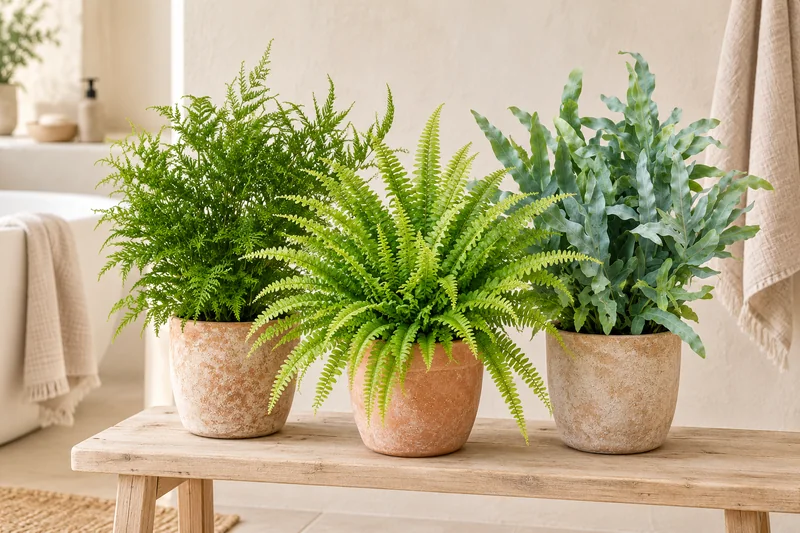
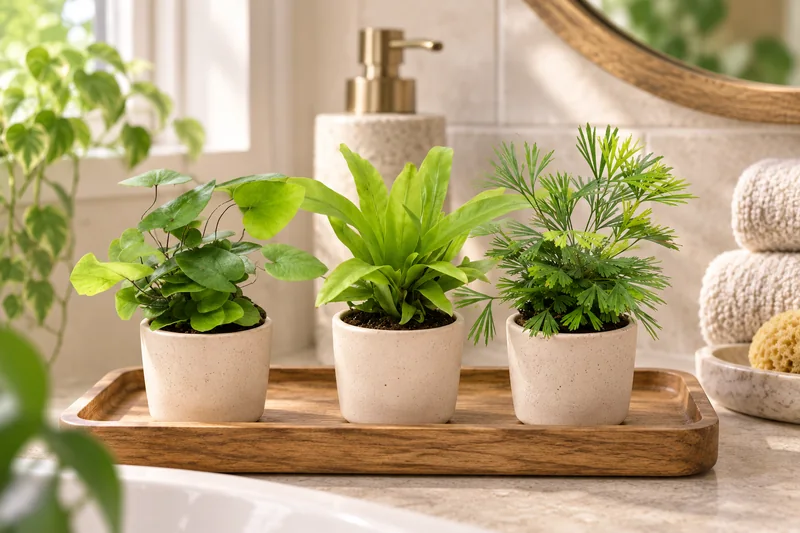
One plant, several views
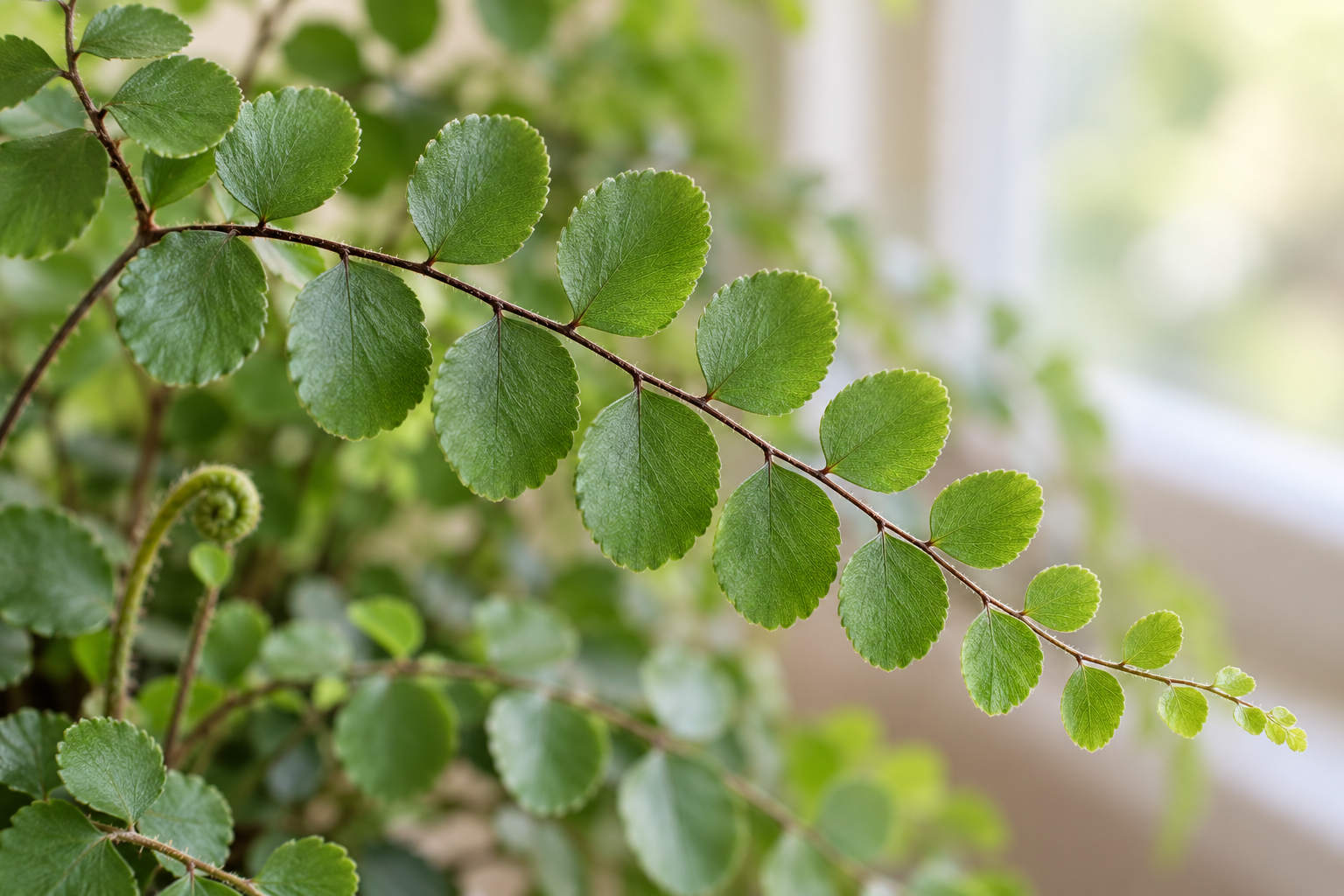
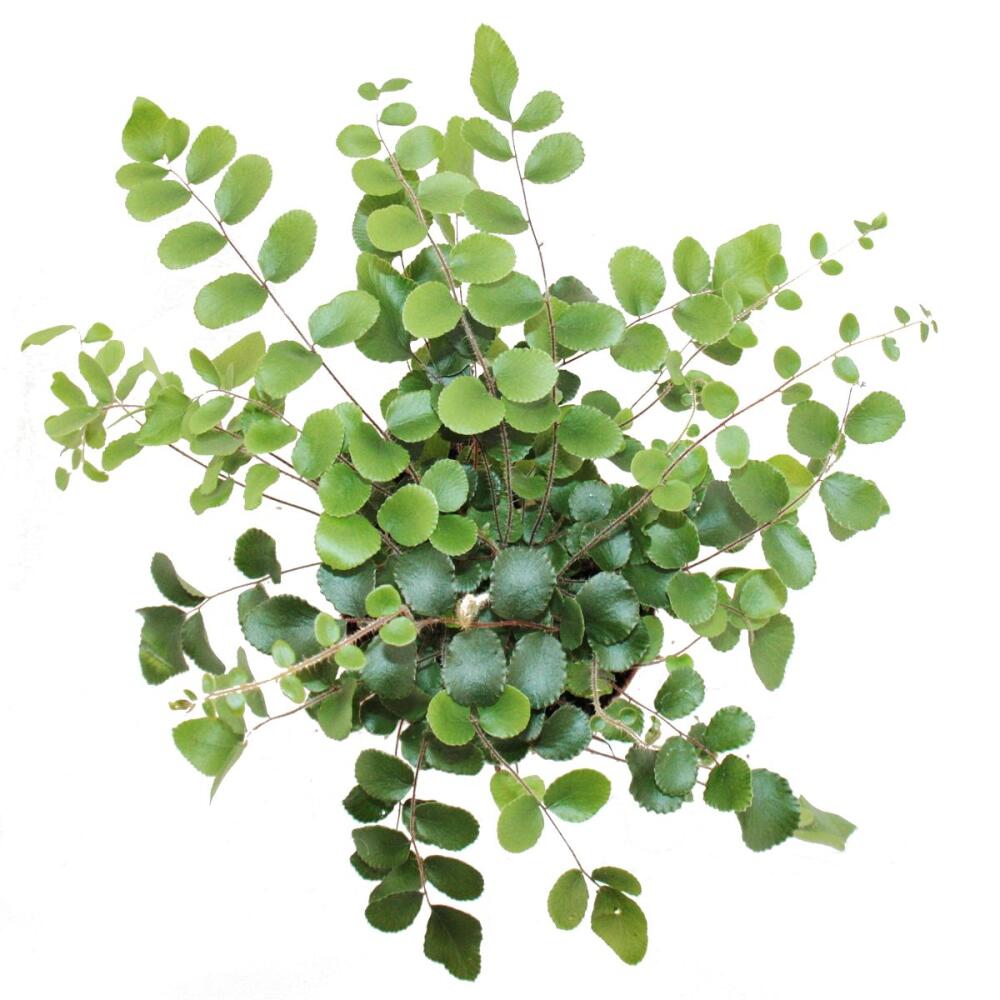
Good to know
Is Hemionitis rotundifolia a different fern?
No. Kew and NC State list Pellaea rotundifolia under this name. The same species is described here with its familiar shop name.
Does it need a tropical humid terrarium?
It depends less on high humidity than many indoor ferns. A bright sheltered living space can suit it well.
May soil dry completely?
Avoid repeated complete drying. The surface may dry somewhat; supply the rootball afterwards according to need.
Why do fronds grow over the rim?
Arching spread and later overhanging fronds belong to its habit. They need some side space.
Will this fern flower?
Ferns do not form flowers. Mature fronds may carry spore-bearing areas underneath.
Is a bigger pot immediately better?
Only repot a little larger when genuinely rooted. Too much unused soil easily remains wet for long.
What should I do with a kinked frond?
Cleanly remove severely damaged dead foliage. Young fronds from the base replace it through further development.
Can it overwinter outside?
Choose sheltered frost-free quarters for the small indoor plant. Do not infer general hardiness from generic fern information.
Sources and editorial note
- Exotenherz: offer and original photographs (03.10.2026)
- RHS: Pellaea, frond structure and cultivation (03.10.2026)
- NC State: Hemionitis rotundifolia and lower air-humidity requirement (03.10.2026)
- RHS: ferns as houseplants (03.10.2026)
- Kew: Hemionitis rotundifolia, accepted name and synonyms (03.10.2026)
Shop offer, article number, GTIN, availability and original photographs directly checked on 03.10.2026. Specialist sources directly read. Kew Pellaea/Hemionitis synonym directly read via web; no additional identity. Original2 unchanged and clean. No outdoor winter guarantee.